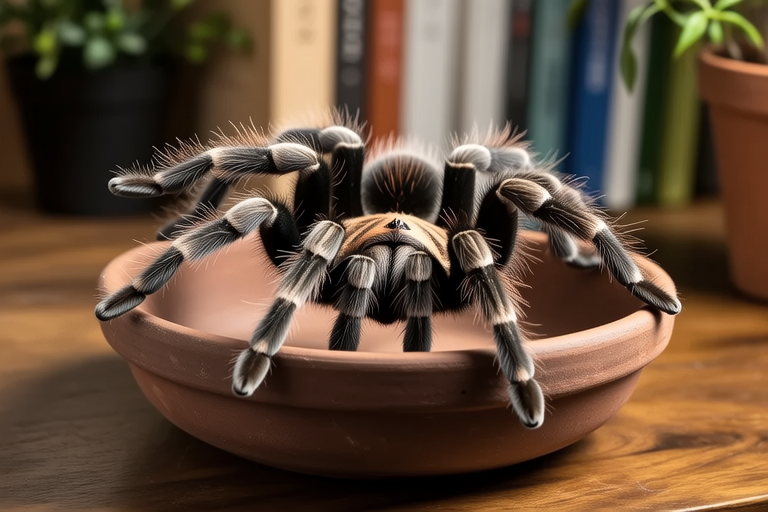
Tarantulas: The Ultimate Low-Maintenance Indoor Companion
Welcome to the world of tarantulas, a fascinating and increasingly popular choice for pet enthusiasts looking for a unique and low-maintenance indoor companion. These large, hairy spiders have captivated the hearts of many, offering a distinct opportunity to connect with nature without the need for extensive care routines. This article will guide you through the ins and outs of tarantula ownership, from setting up the perfect habitat to understanding their unique behaviors and dispelling common myths.
Understanding Tarantulas
Tarantulas belong to the family Theraphosidae and are known for their impressive size and striking appearance. With over 900 species distributed across various regions, these spiders come in a wide array of colors and patterns. Their robust bodies and long legs make them one of the largest spider species, but despite their intimidating appearance, they are surprisingly docile and calm creatures. This makes them ideal pets for those who want to experience the thrill of owning an exotic animal without the hassle of daily maintenance.
Care Requirements
Habitat Setup
The first step in caring for your tarantula is creating a suitable habitat. A glass or plastic terrarium with a secure lid is essential to prevent escapes. The enclosure should be spacious enough to allow your tarantula to move freely; generally, a depth of at least two-thirds of the spider’s leg span is recommended. Additionally, ensure the tank has adequate ventilation to maintain optimal air circulation.
Substrate is another crucial element in your tarantula’s home. Many owners prefer coconut fiber or reptile bark because it retains moisture well, which helps maintain the necessary humidity levels. Avoid using wood chips or pine shavings, as these can cause respiratory issues in your pet.
Temperature and Humidity
Maintaining the correct temperature and humidity is vital for your tarantula’s health. Most species thrive in temperatures between 75°F and 85°F (24°C to 29°C). You can achieve this by placing a heat mat underneath part of the tank or using a ceramic heat emitter. Always monitor the temperature with a reliable thermometer to avoid overheating.
Humidity levels should range from 60% to 80%, depending on the specific species. Proper humidity is crucial for molting and preventing dehydration. Use a hygrometer to measure humidity accurately and mist the substrate regularly if needed. However, ensure that the enclosure does not become too damp, as this can lead to mold growth.
Diet
Tarantulas are carnivorous and primarily feed on live insects such as crickets, mealworms, and roaches. The size of the prey should be appropriate for your tarantula, typically no larger than half the width of its abdomen. Feed your pet once or twice a week, depending on its age and size. It’s important to dust the feeder insects with calcium and vitamin supplements to ensure your tarantula receives all necessary nutrients.
Unique Behaviors and Characteristics
One of the most intriguing aspects of tarantulas is their behavior. They are largely nocturnal, spending most of their day resting in their burrows or hiding spots. Watching them emerge at night to hunt or explore their environment can be an exciting experience for owners. Some species also exhibit interesting defensive behaviors, such as kicking off urticating hairs or assuming a threat posture when threatened.
Another fascinating aspect of tarantulas is their ability to regenerate lost limbs. If a leg is damaged or lost, the tarantula can regrow it during subsequent molts. This regenerative process is a testament to the resilience and adaptability of these remarkable creatures.
Dispelling Myths
Despite their popularity, many people still harbor misconceptions about tarantulas. One of the most common myths is that tarantulas are aggressive and dangerous. In reality, tarantulas are generally calm and docile, especially when handled correctly. They do not seek out confrontation and will only defend themselves if they feel threatened. Another misconception is that tarantulas are venomous and deadly to humans. While tarantulas do possess venom, it is usually mild and only potent enough to subdue small prey. In rare cases, allergic reactions may occur, but fatalities are extremely rare.
Handling and Interaction
Handling your tarantula requires patience and caution. Always wash your hands before and after handling to avoid transferring oils or residues that could stress your pet. Gently coax your tarantula onto your hand by tapping lightly on its back or legs. Allow the spider to walk onto your hand rather than picking it up directly. Never grab or squeeze your tarantula, as this can cause injury or distress.
It’s important to note that while tarantulas can be handled, they are not typically cuddly pets. Their primary interaction with humans is through observation. Spend time watching your tarantula’s natural behaviors, such as feeding, molting, and exploring its habitat. This can be just as rewarding as physical interaction.
Acquiring a Tarantula
When considering acquiring a tarantula, it’s essential to research and choose a reputable breeder or pet store. Look for sellers who prioritize the health and well-being of their animals and provide detailed information about the species, age, and origin. Avoid purchasing wild-caught tarantulas, as they are often stressed and more prone to illness.
Before bringing your new pet home, prepare its habitat and ensure all necessary supplies are ready. Quarantine your tarantula for several weeks to monitor its health and acclimate it to its new environment. This precautionary step can help prevent the introduction of parasites or diseases into your existing collection.
Further Learning
As with any pet, continuous education is key to becoming a responsible tarantula owner. Join online forums, attend local reptile expos, or consult books and guides dedicated to tarantula care. Engaging with experienced owners can provide valuable insights and support throughout your journey.
Remember, owning a tarantula is a commitment that requires dedication and respect for these amazing creatures. By providing a safe and enriching environment, you can enjoy a rewarding relationship with your low-maintenance indoor companion.
