Arowana Aquariums: Setting Up the Perfect Habitat for These Exotic Giants
Welcome to the fascinating world of arowana aquariums! Arowanas are some of the most exotic and captivating freshwater fish available to hobbyists. Known for their impressive size, striking appearance, and unique behaviors, these giants can add a touch of elegance and excitement to any aquarium setup. This guide will help you create the perfect habitat for your arowana, ensuring they thrive in your care.
The Unique Characteristics of Arowanas
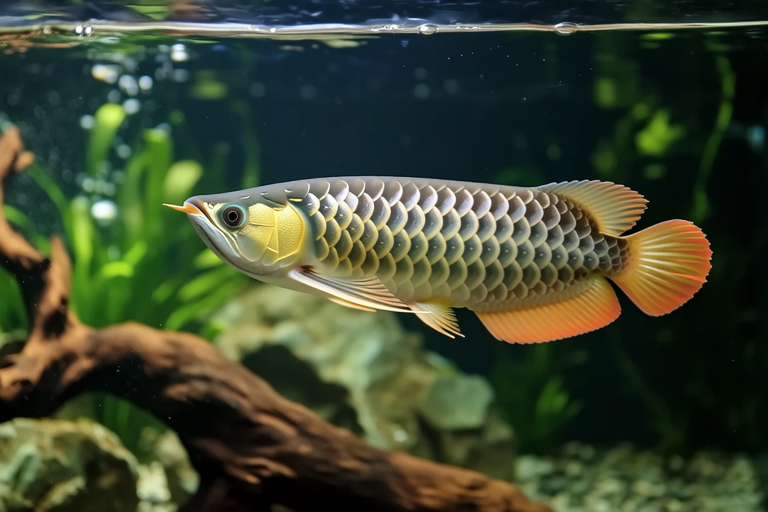
Arowanas are renowned for their large size and sleek, elongated bodies. Depending on the species, they can grow up to 3 feet (90 cm) in length, making them one of the largest freshwater fish suitable for home aquariums. Their shimmering scales, which often feature iridescent hues of green, blue, or silver, give them a regal and majestic appearance. Additionally, arowanas possess a distinctive swimming style, gliding gracefully through the water with an almost aerial motion.
These fish are native to parts of South America, Africa, and Asia, where they inhabit slow-moving rivers, swamps, and floodplains. In the wild, they are known to leap out of the water to catch insects and small birds, earning them the nickname “water monitor lizards.” This behavior underscores the importance of providing ample space and a secure tank environment when keeping arowanas at home.
Selecting the Appropriate Aquarium Size
When setting up an arowana aquarium, the first consideration is the tank size. Given their substantial size and active nature, arowanas require a spacious tank to accommodate their movements and provide adequate swimming room. The minimum recommended tank size for a single arowana is 240 gallons (908 liters), but larger tanks are preferable to ensure the fish’s comfort and well-being.
For multiple arowanas, it’s essential to increase the tank size accordingly. As a general rule, each additional arowana requires an extra 120 gallons (454 liters). It’s crucial to note that overcrowding can lead to stress, aggression, and poor health in these fish. Therefore, always opt for the largest tank possible within your budget and space constraints.
Filtration Systems
Proper filtration is vital for maintaining optimal water conditions in an arowana aquarium. Due to their large size and high metabolic rate, arowanas produce significant amounts of waste, necessitating efficient filtration. Choose a filtration system that provides mechanical, biological, and chemical filtration. Canister filters or external power filters are highly recommended for their superior performance and ease of maintenance.
Ensure the filter flow rate is appropriate for the tank size, typically around 10 times the volume of the tank per hour. For example, a 240-gallon tank would require a filter capable of handling 2,400 gallons per hour. Additionally, incorporate a sponge filter to enhance biological filtration, promoting beneficial bacteria growth and maintaining water quality.
Water Parameters
Maintaining ideal water parameters is crucial for the health and longevity of arowanas. Optimal pH levels range between 6.5 and 7.5, while the temperature should be kept between 75°F and 82°F (24°C and 28°C). Hardness levels should be moderate, ideally between 8 and 15 dGH. Regular water testing is essential to monitor these parameters and make adjustments as needed.
To achieve these conditions, consider using a reverse osmosis (RO) system or adding specialized water conditioners to treat tap water. Regular partial water changes, typically 10-20% weekly, help maintain water quality and prevent the accumulation of harmful substances.
Creating a Suitable Environment
Lighting
Proper lighting is crucial for the overall health and well-being of arowanas. While these fish prefer subdued lighting, it’s important to provide a balance between natural and artificial light sources. Use LED or fluorescent lights with a color temperature of 6500K to 10000K, simulating natural daylight. Install timers to establish a consistent day-night cycle, promoting healthy circadian rhythms in your fish.
Substrate
The choice of substrate plays a significant role in the aesthetics and functionality of the aquarium. Fine gravel or sand is recommended for arowana tanks due to their gentle nature and ability to mimic natural riverbeds. Avoid sharp or abrasive substrates that could harm the fish. Ensure the substrate is clean and free from harmful chemicals before adding it to the tank.
Decorations
Decorative elements can enhance the visual appeal of the aquarium while also providing hiding spots and enrichment for the fish. Incorporate driftwood, rocks, and live plants to create a naturalistic environment. Live plants, such as Amazon swords or Java ferns, not only add beauty but also improve water quality by absorbing nutrients and producing oxygen. Be mindful of the fish’s potential to uproot or damage delicate plants, so choose sturdy varieties that can withstand their activity.
Diet and Feeding Habits
Arowanas are carnivorous fish with a varied diet consisting of insects, crustaceans, and smaller fish in the wild. In captivity, they should be fed a balanced diet of high-quality pellets, frozen or freeze-dried foods, and occasional live prey. High-protein pellets designed for large predatory fish are excellent staples, while occasional treats like krill, bloodworms, and feeder fish can stimulate their natural hunting instincts.
Feed arowanas two to three times daily, offering an amount they can consume within five minutes. Overfeeding can lead to obesity and poor water quality, so practice moderation. Always remove uneaten food promptly to prevent contamination.
Maintaining Water Quality and Regular Tank Maintenance
Consistent monitoring and maintenance are key to ensuring the longevity and well-being of arowanas. Perform weekly water tests to check pH, ammonia, nitrite, and nitrate levels. Address any deviations immediately to prevent stress and disease.
In addition to water changes, conduct regular cleaning of the tank glass, decorations, and filter media. This helps maintain clarity and prevents the buildup of organic matter that could contribute to poor water quality. Inspect the filter regularly and replace worn-out components as needed. By staying proactive with maintenance, you can create a stable and healthy environment for your arowanas.
Setting up an arowana aquarium is a rewarding endeavor that requires careful planning and attention to detail. By following the guidelines outlined in this guide, you can provide your arowanas with a thriving habitat that meets their physical and emotional needs. With proper care and commitment, you’ll enjoy the splendor of these magnificent creatures for years to come.
