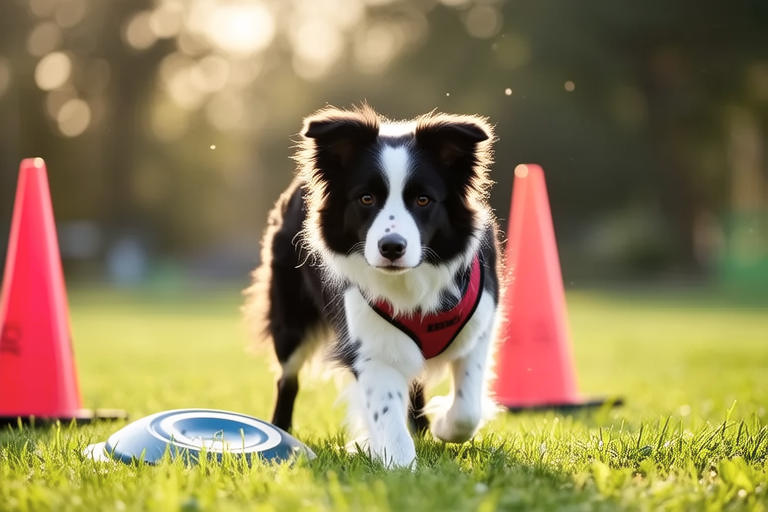
The Ultimate Guide to Training Your Border Collie: Tips from Experts
Border Collies are among the most intelligent and energetic dog breeds, making them excellent companions for active families and experienced handlers. However, their high intelligence and boundless energy mean they require consistent, positive reinforcement training to channel their natural instincts into desirable behaviors. This comprehensive guide offers expert advice on basic obedience training, socialization techniques, mental stimulation activities, common training challenges, and maintaining a positive training environment for your Border Collie.
Basic Obedience Training
Starting with basic commands like ‘sit,’ ‘stay,’ ‘come,’ and ‘down’ is essential for any new Border Collie owner. These commands lay the foundation for more advanced training and ensure your dog’s safety in various situations. To begin, choose a quiet area free from distractions and use small treats as rewards. Keep sessions short (5-10 minutes) to maintain your dog’s focus and enthusiasm.
- Sit: Hold a treat near your dog’s nose and slowly move it upwards, encouraging them to sit. As soon as their bottom touches the ground, say ‘sit’ and give the treat.
- Stay: After teaching ‘sit,’ add the command ‘stay.’ Start with a few seconds and gradually increase the duration. Use hand signals or verbal cues to reinforce the command.
- Come: Call your dog’s name followed by ‘come’ while moving backward slightly. Reward them immediately upon arrival. Practice in different environments to build reliability.
- Down: Begin with your dog sitting. Hold a treat in your closed hand and lower it to the ground, guiding your dog into a lying position. Say ‘down’ when they are fully extended and reward them.
Consistency is key in basic obedience training. Always use the same commands and body language, and practice regularly to reinforce learned behaviors. Additionally, incorporate clicker training if you want to enhance your Border Collie’s response time and precision.
Socialization Techniques
Socializing your Border Collie is crucial for developing well-rounded behavior and preventing issues like shyness or aggression. Expose your dog to various people, animals, and environments during their critical socialization period (up to 14 weeks old). Early exposure helps them adapt to new experiences and reduces fear-based reactions later in life.
- People: Introduce your Border Collie to friends, family members, and neighbors of different ages, genders, and ethnicities. Encourage gentle interactions and offer treats as rewards for calm behavior.
- Animals: Arrange supervised playdates with other dogs and introduce your Border Collie to cats, rabbits, or other pets in controlled settings. Monitor their interactions closely to prevent conflicts.
- Environments: Take your Border Collie to parks, pet stores, and other public places where they can experience different sights, sounds, and smells. Gradually expose them to more challenging environments as they become comfortable with familiar ones.
Remember to keep socialization sessions positive and stress-free. If your dog shows signs of anxiety or discomfort, provide reassurance and remove them from the situation. Over time, they will learn to associate new experiences with positive outcomes.
Mental Stimulation Activities
Border Collies have a strong work ethic and excel in tasks requiring problem-solving and concentration. Providing ample mental stimulation helps prevent boredom-related behaviors such as chewing, barking, or digging. Here are some fun and engaging activities to keep your Border Collie mentally sharp:
- Puzzle Toys: Invest in interactive toys that challenge your dog to retrieve treats or solve simple puzzles. Rotate toys periodically to maintain interest and encourage creativity.
- Training Games: Incorporate games like hide-and-seek, fetch, or scent work to stimulate your Border Collie’s natural hunting instincts. These activities also strengthen the bond between you and your dog.
- Agility Training: Build an agility course in your backyard or join a local club. Agility training provides physical exercise and mental challenges, perfect for Border Collies.
- Herding: If you live on a farm or have access to open spaces, consider introducing your Border Collie to herding. This activity taps into their innate drive to control livestock and offers a rewarding experience.
Always supervise your Border Collie during mental stimulation activities and adjust the difficulty level according to their skill and confidence. Regular engagement keeps their minds active and prevents destructive behaviors caused by boredom.
Common Training Challenges Specific to Border Collies
While Border Collies are highly trainable, they may exhibit certain behaviors that require patience and specialized techniques. Some common challenges include:
- Overstimulation: Border Collies can become easily overexcited, especially when learning new skills. To manage this, break training sessions into shorter intervals and reward calm behavior.
- Obsessive Behavior: Some Border Collies develop fixations on objects, such as toys or food. Redirect their attention with alternative activities or engage them in play to reduce fixation.
- Barking: Border Collies are known for their vocal tendencies. Teach ‘quiet’ commands using positive reinforcement and provide outlets for their energy through physical exercise and mental challenges.
- Separation Anxiety: Separation anxiety is common in Border Collies due to their strong attachment to owners. Counter-conditioning and desensitization techniques, along with gradual exposure to being alone, can help alleviate this issue.
Consult with a professional trainer if you encounter persistent behavioral problems. They can offer personalized guidance and strategies to address specific challenges.
Tips for Maintaining a Positive Training Environment
A positive training environment fosters trust, cooperation, and motivation in your Border Collie. Here are some tips to create a supportive atmosphere:
- Use Positive Reinforcement: Reward desired behaviors with treats, praise, or affection. Avoid punishment, which can damage the bond between you and your dog and lead to fear-based responses.
- Be Patient: Progress varies among individual dogs, so be patient and celebrate small victories. Consistent effort yields long-term success.
- Stay Consistent: Use the same commands and body language throughout training to avoid confusion. Consistency reinforces learned behaviors and promotes reliable performance.
- Practice Regularly: Short, frequent training sessions are more effective than infrequent, lengthy ones. Schedule daily training sessions to maintain momentum and build a strong foundation.
- Have Fun: Training should be enjoyable for both you and your Border Collie. Incorporate games, treats, and positive reinforcement to make each session memorable and rewarding.
By implementing these tips, you’ll create a nurturing environment that encourages learning and strengthens the bond between you and your Border Collie.
Conclusion
Training your Border Collie requires dedication, patience, and a willingness to adapt to their unique needs. With proper guidance and consistent effort, you can develop a well-behaved, happy companion who thrives on mental and physical stimulation. Remember to consult with professionals if needed and stay committed to positive reinforcement methods. By following the expert advice provided in this guide, you’ll set your Border Collie up for success and enjoy many years of rewarding companionship.
