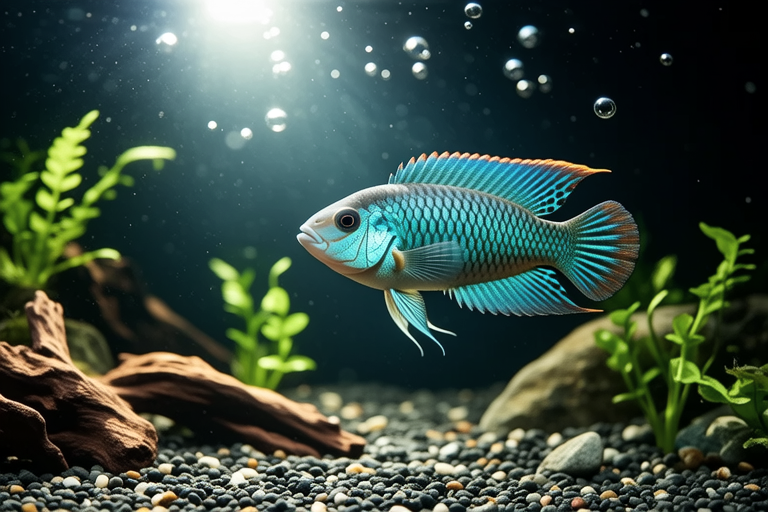
Rajah Cichlid Secrets: How to Create the Perfect Habitat for Your Fish
The Rajah cichlid, scientifically known as Aequidens rivulatus, is a stunning freshwater fish that originates from the Amazon River Basin in South America. Known for its vibrant colors and unique patterns, this species is a popular choice among aquarists. However, creating an ideal habitat for Rajah cichlids requires careful consideration of various factors, including tank size, water parameters, filtration, substrate, and tank mates. This article will guide you through the process of setting up the perfect environment for your Rajah cichlids, ensuring their health and well-being.
Choosing the Right Tank Size
Rajah cichlids can grow quite large, reaching lengths of up to 8 inches (20 cm). Given their size and active nature, it’s crucial to provide them with ample space. A minimum tank size of 55 gallons (208 liters) is recommended for a single Rajah cichlid, while a 75-gallon (284-liter) tank is ideal for a pair or small group. Larger tanks allow for more swimming space and help reduce aggression, which can be common among cichlids.
Water Parameters
Maintaining optimal water conditions is vital for the health of Rajah cichlids. The following water parameters should be closely monitored:
- Temperature: The water temperature should be kept between 75°F and 82°F (24°C and 28°C).
- pH: A slightly acidic to neutral pH range of 6.0 to 7.5 is preferred. Avoid extreme pH levels, as they can stress the fish.
- Hardness: Water hardness should be between 5 and 12 dGH.
- Ammonia and Nitrite: These should always be at zero, while nitrate levels should be kept below 20 ppm.
Regular water testing and maintenance are essential to ensure these parameters remain stable.
Filtration Needs
Effective filtration is crucial for maintaining water quality in a Rajah cichlid tank. Choose a filter that provides adequate flow and mechanical, biological, and chemical filtration. Canister filters or external hang-on-back filters are often recommended due to their efficiency in handling larger tanks. Ensure the filter does not create excessive water flow, as Rajah cichlids prefer calm waters.
Suitable Substrate and Decorations
The substrate and decorations play a significant role in creating a natural and stimulating environment for Rajah cichlids. Opt for a fine-grained, soft substrate such as sand or small pebbles to mimic their natural habitat. Avoid sharp-edged substrates that could harm the fish.
Decorations like driftwood, rocks, and caves are excellent additions. They provide hiding spots, territorial boundaries, and enrichment for the fish. Live plants can also be beneficial, but ensure they are robust enough to withstand the potential digging behavior of Rajah cichlids.
Appropriate Tank Mates
Rajah cichlids are semi-aggressive and territorial, so selecting compatible tank mates is essential. Suitable companions include robust species that can hold their own, such as other cichlids, plecos, and medium-sized tetras. Avoid overly peaceful or slow-moving fish, as they may become prey or be harassed by the cichlids.
When introducing new fish, do so gradually and monitor interactions closely. It’s best to establish a hierarchy within the tank before adding new inhabitants.
Feeding Habits
Rajah cichlids are omnivorous, meaning they consume both plant matter and small animals. In captivity, they thrive on a diet of high-quality flakes, pellets, and frozen or live foods. Offer a variety of food types to ensure a balanced diet. Feed them two to three times daily, providing only what they can consume within a few minutes to prevent overfeeding.
Supplement their diet with occasional treats like bloodworms, brine shrimp, or vegetables such as zucchini or spinach. This variety helps maintain their vibrant coloration and overall health.
Spotting Signs of Stress or Illness
Regular observation is key to identifying any issues early. Common signs of stress or illness in Rajah cichlids include:
- Loss of appetite
- Lethargy or abnormal swimming behavior
- Visible lesions, spots, or discoloration
- Frequent scratching against tank decorations
- Clamped fins or rapid breathing
If you notice any of these symptoms, quarantine the affected fish and consult with a veterinarian specializing in aquatic animals. Maintaining good water quality and a stress-free environment can significantly reduce the likelihood of illness.
Care Tips
Here are some additional care tips to ensure the longevity and happiness of your Rajah cichlids:
- Perform regular water changes (about 20% weekly) to keep the tank clean.
- Provide ample hiding spots to reduce stress and promote natural behaviors.
- Monitor aggression levels and separate individuals if necessary.
- Offer a varied diet to support their nutritional needs.
- Keep a close eye on water parameters and adjust as needed.
Frequently Asked Questions
How often should I feed my Rajah cichlids?
Rajah cichlids should be fed two to three times daily, offering only what they can consume within a few minutes. Overfeeding can lead to poor water quality and health issues.
Can I keep multiple Rajah cichlids in one tank?
Yes, but it’s important to provide plenty of space and hiding spots. A 75-gallon tank is recommended for a pair or small group. Monitor their interactions closely to avoid aggressive behavior.
What should I do if my Rajah cichlid shows signs of illness?
If you notice any unusual behavior or physical changes, isolate the fish and consult a veterinarian. Maintain optimal water quality and consider treating the tank with appropriate medications.
Are live plants safe for Rajah cichlids?
While live plants can enhance the tank’s aesthetics and provide enrichment, choose hardy species that can withstand potential digging. Java fern, Anubias, and Amazon swords are good options.
By following these guidelines and providing a well-maintained habitat, you can ensure that your Rajah cichlids thrive in your aquarium. Their vibrant colors and engaging behaviors will reward your efforts with years of enjoyment.
