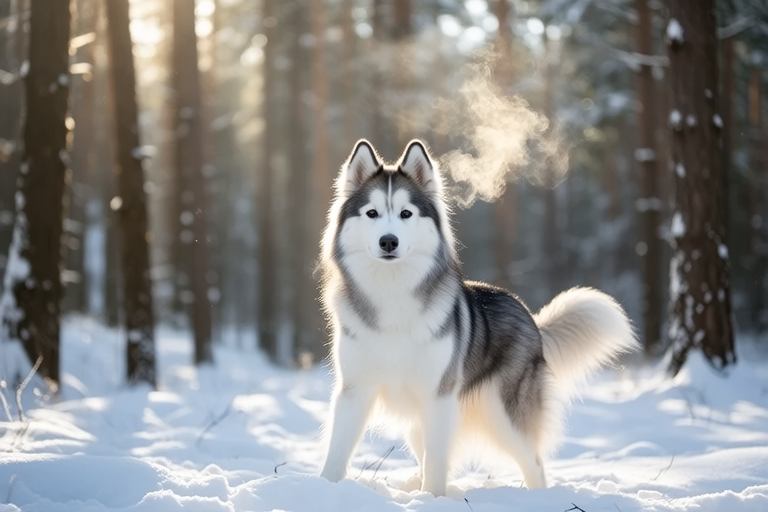
From Frozen Lands to Your Heart: Raising a Happy Norwegian Elkhound
The Norwegian Elkhound, a breed with a rich history and a heartwarming presence, has been a loyal companion to humans for centuries. Originating from the harsh, frozen landscapes of Norway, these dogs have adapted to thrive in challenging environments. This article will guide you through the journey of raising a happy Norwegian Elkhound, covering their history, temperament, exercise needs, dietary requirements, grooming tips, common health issues, training techniques, and ensuring their happiness in a home environment.
A Brief History and Origin
The Norwegian Elkhound is one of the oldest dog breeds, with roots dating back over 6,000 years. They were bred by Norsemen to hunt elk and other large game in the Scandinavian wilderness. Their name, “Elkhound,” is derived from the Old Norse word “elg,” meaning elk. These dogs played a crucial role in the survival of early Norwegian settlers, helping them secure food and protect their homesteads. Today, while they are cherished pets, they still retain their hunting instincts and natural abilities.
Temperament: A Loyal Companion
Norwegian Elkhounds are known for their friendly, affectionate, and playful nature. They are excellent family dogs, getting along well with children and other pets. Their loyalty and protective instincts make them great watchdogs, alerting their families to any potential threats. However, they can be somewhat independent and may need consistent training to prevent stubborn behavior. Early socialization and positive reinforcement are key to fostering a well-rounded and obedient Elkhound.
Exercise Needs: Energy to Burn
These dogs have a high energy level, inherited from their working background. They require regular physical activity to stay healthy and happy. Daily walks, runs, or play sessions in a secure area are essential. Norwegian Elkhounds excel in various dog sports, such as agility, obedience trials, and sledding. Providing mental stimulation through interactive toys and games can also help channel their energy into constructive activities.
Dietary Requirements: Fueling Their Active Lives
A balanced diet is crucial for maintaining the health and vitality of your Norwegian Elkhound. High-quality dog food that meets their nutritional needs is recommended. Consult with your veterinarian to determine the appropriate portion sizes based on your dog’s age, weight, and activity level. Fresh water should always be available, especially during vigorous outdoor activities. Avoid overfeeding, as obesity can lead to various health problems.
Grooming Tips: Keeping Them Clean and Comfortable
Despite their thick double coat, grooming a Norwegian Elkhound is relatively straightforward. Regular brushing, particularly during shedding seasons, helps remove loose hair and prevents matting. Bathing should be done as needed, but excessive bathing can strip their coat of its natural oils. Pay attention to their ears, cleaning them regularly to prevent infections. Trim their nails when necessary and check their teeth for signs of tartar buildup, which can be managed with dental treats or regular brushing.
Common Health Issues: Staying Vigilant
Like all breeds, Norwegian Elkhounds are prone to certain health conditions. Hip dysplasia, a genetic disorder affecting the hip joint, is common among larger breeds. Regular vet check-ups and maintaining a healthy weight can help manage this condition. Progressive retinal atrophy (PRA) is another concern, leading to gradual vision loss. Genetic testing can identify carriers and affected dogs, aiding in responsible breeding practices. Additionally, elbow dysplasia, hypothyroidism, and renal amyloidosis are other potential health issues. Early detection and proper management are vital for your dog’s wellbeing.
Training Techniques: Building a Strong Bond
Training a Norwegian Elkhound requires patience, consistency, and positive reinforcement. They respond well to reward-based methods, such as treats and praise, rather than harsh corrections. Start training early, focusing on basic commands like sit, stay, come, and down. Socialization is equally important, exposing your puppy to various people, places, and situations to build confidence and good manners. Enrolling in obedience classes can provide structured training and valuable social interactions.
Ensuring Happiness in a Home Environment
To ensure your Norwegian Elkhound thrives in your home, consider their specific needs and preferences. Provide a comfortable living space with adequate shelter, warmth, and security. Interactive toys and puzzles can stimulate their minds, preventing boredom and destructive behaviors. Spend quality time with your dog, engaging in activities they enjoy, such as playing fetch or going for hikes. Establish a routine, including regular feeding times, exercise, and grooming sessions, to create a sense of stability and predictability.
The Human-Canine Bond: A Special Connection
The bond between humans and Norwegian Elkhounds is unique and deeply rewarding. These dogs form strong attachments to their families, offering unwavering loyalty and companionship. By understanding and meeting their physical and emotional needs, you can foster a loving relationship built on trust and mutual respect. Norwegian Elkhounds are not just pets; they are cherished members of the family, bringing joy and warmth to every household.
In conclusion, raising a happy Norwegian Elkhound involves a combination of care, attention, and love. From their origins in the frozen lands of Norway to their place in your heart, these dogs are truly remarkable companions. With proper guidance and dedication, you can ensure your Norwegian Elkhound leads a fulfilling and joyful life. Whether you’re a prospective owner or a current one, this article aims to equip you with the knowledge and tools necessary to nurture a strong, loving bond with your Norwegian Elkhound.
