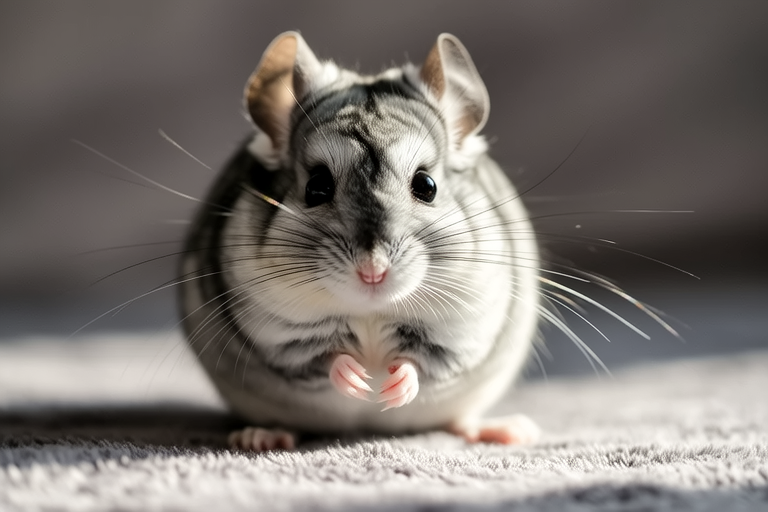
Adorable and Fluffy: Why Your Next Pet Might Be a Chinchilla
Welcome to the enchanting world of chinchillas! These small, furry creatures are rapidly gaining popularity as beloved pets. With their incredibly soft fur and charming appearance, chinchillas offer a delightful addition to any household. In this article, we will explore why chinchillas make perfect pets, highlighting their unique physical attributes, care requirements, and delightful behaviors. Let’s dive into the world of these adorable, fluffy companions!
The Unique Physical Characteristics of Chinchillas
Chinchillas are native to the Andes Mountains in South America and have adapted to life in cold, rocky environments. One of their most striking features is their exceptionally soft fur, which has around 60 hairs growing from each follicle. This dense coat helps them regulate their body temperature and provides protection against predators. The fur also comes in various colors, from the standard gray to white, beige, and even black.
With their large, round ears and wide, dark eyes, chinchillas have a captivating appearance that draws people in instantly. Their compact size, typically weighing between 400 to 600 grams, makes them easy to handle, while their bushy tails add to their overall charm. When fully grown, they measure about 9 to 14 inches long, making them the perfect size for cuddling and holding.
Caring for Your Chinchilla: Housing, Diet, and Grooming
Proper care is essential to ensure your chinchilla thrives in its new home. Providing adequate housing is the first step in creating a comfortable environment for your pet. Chinchillas need a spacious cage with multiple levels to allow for climbing and exploration. The cage should be at least 3 feet high, 2 feet wide, and 2 feet deep to give your chinchilla ample room to move around.
Temperature control is crucial for chinchillas, as they are sensitive to heat. The ideal temperature range for their habitat is between 60 to 70 degrees Fahrenheit (15 to 21 degrees Celsius). Avoid placing the cage near windows or in direct sunlight to prevent overheating. Additionally, ensure good ventilation within the cage to maintain fresh air circulation.
Diet plays a significant role in keeping your chinchilla healthy and happy. A balanced diet consists mainly of hay, which should be available at all times. Fresh water must also be provided daily, preferably through a sipper bottle to avoid spillage. Supplement their diet with chinchilla-specific pellets and occasional treats like raisins, apples, or carrots. However, limit treats to no more than a few pieces per week to prevent obesity.
Grooming is another important aspect of chinchilla care. Unlike other animals, chinchillas cannot bathe in water due to the density of their fur, which can lead to bacterial growth if wet. Instead, they require dust baths. Provide a shallow container filled with special chinchilla dust at least three times a week for 10 to 15 minutes. This helps remove oils and dirt from their fur, maintaining its softness and cleanliness.
Behavioral Traits: Intelligent, Playful, and Social
Chinchillas are highly intelligent animals with distinct personalities. They are quick learners and can be trained to perform simple tricks, such as coming when called or sitting on your shoulder. Their curiosity and problem-solving abilities make interacting with them both fun and rewarding.
In addition to being smart, chinchillas are known for their playful nature. They enjoy toys that encourage physical activity, such as wooden chew toys, tunnels, and exercise wheels. Providing a variety of stimulating activities keeps your chinchilla mentally and physically engaged. Regular interaction with you also strengthens your bond and promotes trust.
Although chinchillas are independent by nature, they are still social animals. They thrive on companionship and may benefit from having another chinchilla as a companion. However, introducing a new chinchilla to an existing one requires careful planning to ensure compatibility. Always supervise interactions during the initial stages to prevent any aggressive behavior.
The Benefits of Owning a Chinchilla
Owning a chinchilla comes with several advantages. For allergy sufferers, chinchillas are a great option because they produce very little dander. Their soft fur does not shed easily, minimizing airborne allergens. This makes them an ideal choice for individuals who are sensitive to pet-related allergies.
Another benefit of chinchillas is the joy they bring to their owners. Watching them engage in their favorite activities, such as hopping around their cage or taking dust baths, can brighten anyone’s day. Their quirky behaviors and endearing expressions make them endlessly entertaining companions.
Tips for Potential Owners
If you’re considering adopting a chinchilla, there are several steps you can take to prepare for their arrival. First, research local breeders or shelters to find a reputable source for your new pet. Ensure the breeder provides health certificates and information about the chinchilla’s lineage.
Before bringing your chinchilla home, set up their living space according to the guidelines mentioned earlier. Prepare all necessary supplies, including bedding, food, water, and toys. Familiarize yourself with common health issues and signs of distress so you can address any concerns promptly.
Finally, be patient and gentle when handling your chinchilla. Allow them time to adjust to their new surroundings and build trust with you. With proper care and attention, your chinchilla will become a cherished member of your family.
Conclusion
Chinchillas are adorable, fluffy pets that offer a unique and rewarding experience for their owners. Their soft fur, charming appearance, and engaging behaviors make them irresistible companions. By understanding their care requirements and behavioral traits, you can provide a loving home for your new chinchilla friend. So, why not consider adding a chinchilla to your family? With a little preparation and dedication, you’ll be rewarded with years of joy and companionship.
