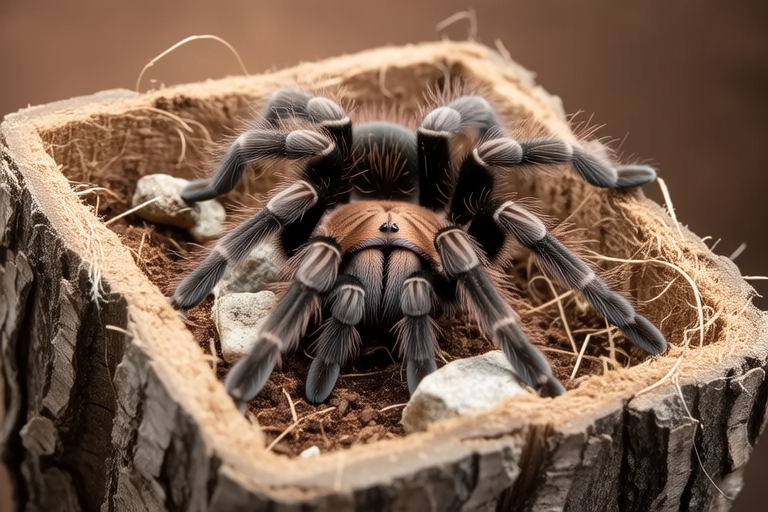
From Cage to Comfort: Setting Up the Ideal Habitat for Your Chilean Rose Tarantula
The Chilean Rose tarantula (Grammostola rosea) is a popular choice among tarantula enthusiasts due to its docile nature and manageable size. Providing the right habitat is crucial for your pet’s health and happiness. This guide will walk you through setting up the ideal habitat for your Chilean Rose tarantula, covering enclosure size, substrate, hides, temperature, humidity, lighting, feeding, and maintenance.
Choosing the Right Enclosure Size
Enclosure size is critical for your tarantula’s comfort and well-being. A general rule is to provide at least five gallons of space per inch of tarantula length. For an adult Chilean Rose, a 10-gallon tank or equivalent enclosure is sufficient. Ensure the enclosure has secure ventilation to prevent escapes while allowing proper air circulation.
Selecting the Appropriate Substrate
The substrate you choose should mimic the natural environment of the Chilean Rose tarantula. A mix of coconut fiber and reptile bark works well, providing excellent moisture retention and easy burrowing. The substrate should be deep enough for your tarantula to dig comfortably; aim for about three inches. Keep it moist but not soggy to prevent mold growth.
Necessary Hides and Decor
Your tarantula needs a hide to feel secure. Cork bark pieces, half logs, or plastic plants make excellent hides. Position them in various locations within the enclosure to encourage natural behavior. Avoid overcrowding the enclosure with decorations; simplicity often leads to better observation of your tarantula’s habits.
Temperature and Humidity Requirements
Maintaining the correct temperature and humidity levels is vital for your tarantula’s health. The ideal temperature range for a Chilean Rose tarantula is between 75°F and 85°F (24°C to 29°C). Use a digital thermometer to monitor temperatures accurately. Humidity should be kept around 60% to 70%. A hygrometer can help you measure humidity levels effectively.
Lighting Needs
Chilean Rose tarantulas do not require UVB lighting. Instead, they need a day-night cycle to regulate their biological rhythms. Place the enclosure away from direct sunlight to avoid overheating. If additional lighting is necessary for viewing purposes, use a low-wattage incandescent bulb on a timer set to simulate a natural day-night cycle.
Feeding Instructions
Feed your tarantula appropriately sized insects, such as crickets or dubia roaches. Feed juveniles weekly, while adults can be fed every two weeks. Dust feeder insects with calcium and vitamin supplements before feeding. Remove any uneaten prey after 24 hours to prevent stress or injury to your tarantula.
Maintaining a Healthy Environment
Regular cleaning is essential for maintaining a healthy habitat. Spot clean daily by removing waste and dead insects. Perform a thorough cleaning every four to six weeks, replacing the substrate and disinfecting the enclosure. Always ensure the enclosure is completely dry before reintroducing your tarantula.
Importance of Mimicking Natural Conditions
Mimicking natural conditions is key to promoting your tarantula’s well-being. By providing the right environment, you can help your tarantula thrive. Pay attention to your pet’s behavior and adjust the habitat accordingly. A happy, healthy tarantula is more likely to live a long and fulfilling life.
Tips for Beginners and Experienced Owners
For beginners, start with a simple setup and gradually add more elements as you become more comfortable with tarantula care. Experienced owners may explore more advanced techniques, such as creating custom hides or experimenting with different substrates. Regardless of experience level, always prioritize your tarantula’s health and happiness.
In conclusion, setting up the ideal habitat for your Chilean Rose tarantula requires attention to detail and commitment. By following these guidelines, you can provide a comfortable and stimulating environment that promotes your tarantula’s well-being. Remember, the best way to care for your pet is to observe and adapt to its needs over time.
