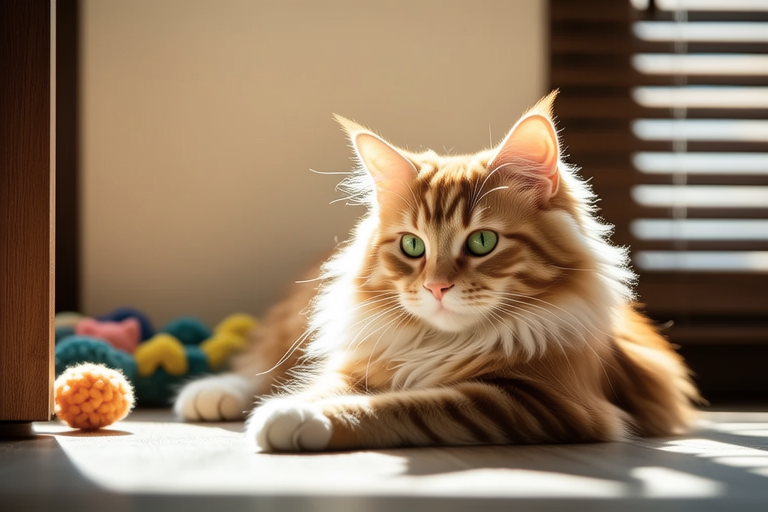
Orange Cats: Bringing Sunshine into Every Home
Orange cats have long been cherished for their vibrant coats and sunny dispositions. These feline companions bring joy and warmth to households around the world, making them a favorite among cat lovers. From their unique physical characteristics to their playful personalities, orange cats are truly one-of-a-kind creatures. In this article, we will explore the distinct traits, care requirements, and historical significance of these beloved pets.
The Unique Traits of Orange Cats
Orange cats, also known as ginger or marmalade cats, are often distinguished by their striking reddish-orange fur. This coloration is caused by a genetic mutation that results in the production of red pigments in their coat. The intensity of their color can vary, ranging from light cream to deep auburn. Interestingly, orange cats are predominantly male, with about 80% of orange cats being males. This gender bias is due to the genetics involved in producing the orange coat color.
In addition to their eye-catching appearance, orange cats possess several other unique traits. They tend to have green or hazel eyes, which contrast beautifully with their orange fur. Some orange cats even sport white markings on their chest, paws, or face, adding to their distinctive look. These markings can range from small patches to large spots or stripes, creating a diverse array of patterns among orange cats.
The Playful Personalities of Orange Cats
Beyond their stunning looks, orange cats are renowned for their friendly and outgoing personalities. They are often described as sociable and affectionate, making them excellent companions for families and individuals alike. Many orange cats enjoy interacting with their human companions, seeking attention through purring, headbutting, or following their owners around the house.
One study conducted by the University of California, Davis, found that orange cats tend to be more interactive with their owners compared to other cat breeds. This increased interaction could be attributed to their playful nature, as orange cats are known for their love of toys and games. They often engage in activities such as chasing laser pointers, playing fetch, or exploring new objects around the house. Their curiosity and enthusiasm make them delightful playmates for both children and adults.
Real-life anecdotes further illustrate the positive impact of orange cats on household environments. For instance, a family in New York reported that their orange cat, named Sunny, helped improve their home’s atmosphere after a period of stress. Sunny’s playful antics and affectionate behavior brought laughter and joy back into their lives, helping them overcome challenging times. Another example comes from a senior citizen who adopted an orange cat, which provided companionship and emotional support during her retirement years.
Care Requirements for Orange Cats
While orange cats are generally healthy and robust, they still require proper care to ensure their well-being. Regular grooming is essential to maintain their shiny coats, especially for long-haired orange cats. Brushing their fur once or twice a week can help prevent matting and reduce shedding. Additionally, it is important to provide them with a balanced diet rich in nutrients to support their overall health.
Orange cats may be prone to certain health issues, such as obesity and diabetes, particularly if they are overfed or lack sufficient exercise. Therefore, it is crucial to monitor their weight and encourage regular physical activity. Interactive toys and play sessions can help keep orange cats active and healthy. Furthermore, routine veterinary check-ups are recommended to detect any potential health problems early on.
Historical Significance and Popularity of Orange Cats
The history of orange cats dates back centuries, with these felines holding significant cultural importance in various societies. In ancient Egypt, cats were revered as sacred animals, and orange cats were often associated with the sun god Ra. Egyptians believed that these cats possessed divine qualities and were capable of bringing good fortune to their owners. As a result, orange cats were frequently depicted in art and literature, symbolizing prosperity and protection.
Across different cultures, orange cats have been celebrated for their positive attributes. In Japan, these cats are considered lucky and are often featured in traditional folktales. One famous legend tells the story of a golden cat who saved a village from a flood by summoning a rainbow. This tale has inspired many people to adopt orange cats, believing that they will bring similar blessings into their homes.
In modern times, orange cats continue to captivate audiences worldwide. Social media platforms are filled with adorable photos and videos of these charming felines, showcasing their playful antics and endearing personalities. Their widespread appeal can be attributed to their cheerful demeanor and ability to brighten up any space they inhabit. Whether they are lounging in a sunbeam or chasing a toy, orange cats have a unique charm that resonates with people of all ages.
Conclusion
Orange cats are truly special creatures, combining stunning appearances with delightful personalities. Their vibrant coats and friendly dispositions make them beloved members of countless households. By understanding their unique traits and care requirements, we can ensure that these magnificent cats lead happy and healthy lives. Moreover, the rich history and cultural significance of orange cats highlight their enduring popularity and importance. As we welcome these sunny companions into our homes, we are sure to experience the joy and warmth they bring into our lives.
