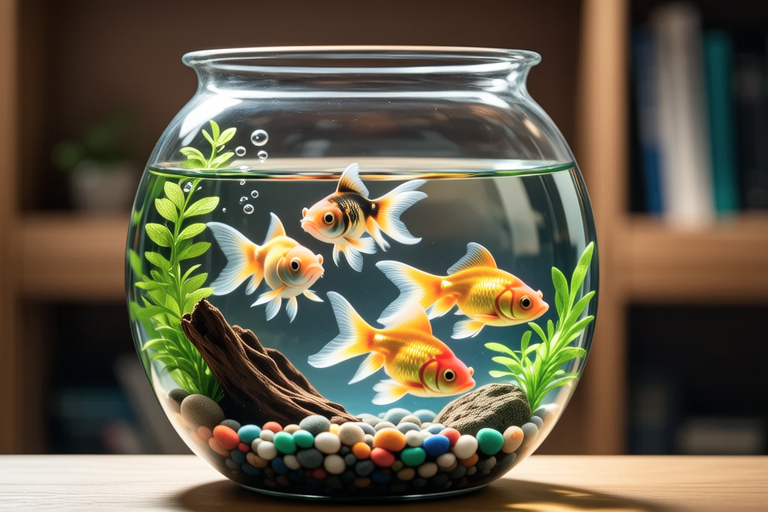
The Ultimate Guide to Setting Up a Perfect Goldfish Tank
Introduction
Welcome to the ultimate guide to setting up your perfect goldfish tank! Whether you’re a beginner or an experienced aquarist, this comprehensive guide will walk you through every step of creating a thriving aquatic environment for your goldfish. From selecting the right tank size to maintaining water quality, we’ve got you covered.
Selecting the Right Tank Size
The first step in setting up a goldfish tank is choosing the right size. Goldfish are active swimmers and require ample space to thrive. A general rule of thumb is to provide at least 20 gallons of water per goldfish. However, larger tanks (30 gallons or more) are preferable as they offer better water stability and more swimming room. Opt for a rectangular tank over a round one, as it provides more surface area for oxygen exchange.
Choosing Appropriate Filters and Heaters
A good filter is crucial for maintaining water quality by removing waste and debris. Choose a filter that can handle at least four times the volume of your tank per hour. For example, a 20-gallon tank requires a filter capable of filtering 80 gallons per hour. Canister filters are highly recommended due to their efficiency and ease of maintenance. Additionally, goldfish prefer cooler water temperatures, so a heater isn’t typically necessary unless you live in a very cold climate.
Proper Substrate Selection
Selecting the right substrate is important for both aesthetics and functionality. Gravel or sand are popular choices. Gravel is easier to clean but may trap food particles, while sand provides a more natural look and reduces the risk of trapped debris. Avoid substrates with sharp edges that could harm your goldfish. Ensure the substrate is safe for fish and free from harmful chemicals.
Ideal Water Conditions for Goldfish
Goldfish thrive in slightly alkaline water with a pH between 7.0 and 8.0. The temperature should be maintained between 65°F and 75°F (18°C to 24°C). Use a reliable water testing kit to monitor these parameters regularly. Perform weekly partial water changes (about 25%) to keep the water fresh and reduce the buildup of toxins.
Necessary Decorations
Decorations not only enhance the visual appeal of your tank but also provide hiding spots and stimulation for your goldfish. Incorporate plants, rocks, and caves. Live plants offer oxygen and help maintain water quality, but ensure they are goldfish-safe varieties like Java fern or Anubias. Plastic or silk plants are also suitable if you prefer a lower-maintenance option.
Suitable Lighting
Goldfish do not require intense lighting; however, providing moderate light enhances the appearance of your tank and helps plants grow. A standard aquarium light fixture with fluorescent bulbs works well. Ensure the light cycle mimics natural day and night cycles, typically 8-10 hours of light per day.
Feeding Guidelines
Goldfish are omnivores and enjoy a varied diet. Feed them high-quality flake or pellet food specifically formulated for goldfish. Supplement their diet with occasional treats like blanched vegetables (peas, zucchini), freeze-dried or frozen foods (bloodworms, brine shrimp). Feed small amounts two to three times daily, ensuring all food is consumed within a few minutes to prevent waste.
Common Mistakes to Avoid
- Overfeeding: Excess food leads to poor water quality and health issues.
- Inadequate filtration: Poor filtration results in murky water and increased toxin levels.
- Improper tank size: Insufficient space restricts movement and increases stress.
- Incorrect water parameters: Unstable pH, temperature, and ammonia levels can harm your goldfish.
Maintaining Water Quality
Regular maintenance is key to keeping your goldfish healthy. Perform weekly water changes to remove accumulated toxins and replenish essential minerals. Clean the filter media monthly, replacing it when necessary. Monitor water parameters closely, especially ammonia, nitrite, and nitrate levels. Use water conditioners to neutralize chlorine and heavy metals before adding new water.
Keeping the Tank Clean
To keep your tank clean, establish a routine cleaning schedule. Siphon debris from the substrate during water changes. Wipe down the glass and clean decorations periodically. Avoid using soap or harsh chemicals, as they can be toxic to your goldfish. Regular vacuuming and gentle scrubbing will help maintain a pristine environment.
Conclusion
Setting up a perfect goldfish tank involves careful planning and attention to detail. By following this comprehensive guide, you’ll create a thriving aquatic environment that ensures the well-being and happiness of your goldfish. Remember, patience and consistency are vital in maintaining a healthy tank. Enjoy the rewarding experience of caring for these delightful creatures!
