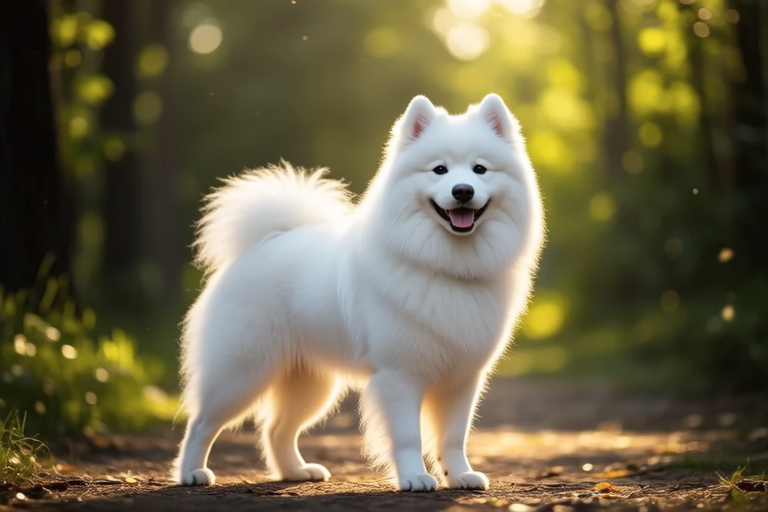
Samoyeds: The Fluffy, Friendly Companions
The Samoyed is a breed of dog known for its striking white coat and friendly disposition. Originating from Siberia, these dogs have a rich history that dates back centuries. They were originally bred by the Samoyede people, who utilized them for sledding, herding, and companionship. Today, Samoyeds are cherished as loving family pets, renowned for their loyalty, playfulness, and adaptability. In this article, we will delve into the history, physical attributes, temperament, intelligence, and care requirements of the Samoyed, concluding with why they are the perfect fluffy, friendly companion for many households.
History of the Samoyed Breed
The Samoyed breed has a long and storied history, dating back to the nomadic tribes of Siberia. These dogs were highly valued by the Samoyede people, who relied on them for various tasks. Samoyeds were used for sledding, herding reindeer, and providing warmth and companionship during harsh winters. Their ability to withstand extreme cold made them indispensable to the Samoyede way of life. Over time, Samoyeds were introduced to other parts of the world, where they quickly gained popularity for their friendly demeanor and striking appearance.
Physical Attributes of Samoyeds
Samoyeds are medium-sized dogs with a robust build and a thick, fluffy double coat. Their outer coat is long, straight, and often described as “banded,” with guard hairs that protect against the elements. Beneath this outer layer lies a dense undercoat that provides insulation. The combination of these two coats gives Samoyeds their signature fluffy appearance and helps them thrive in cold environments. Samoyeds typically have a white coat, though some individuals may have cream or biscuit-colored fur. Their expressive faces, complete with a black nose and dark eyes, give them a friendly and approachable look.
Temperament of Samoyeds
Samoyeds are known for their loyal and affectionate nature, making them ideal family pets. They are highly social dogs that enjoy being around people and other animals. Samoyeds are playful and energetic, often engaging in games and activities with their owners. Their friendly disposition extends to strangers, but they are not overly protective, which makes them suitable for households with children and other pets. Despite their friendly nature, Samoyeds can be independent thinkers, and early training is essential to ensure they follow commands and behave appropriately.
Intelligence and Trainability
Samoyeds are intelligent dogs that are quick learners. Their high level of intelligence means they can grasp new commands and tasks relatively easily. However, their independence can sometimes pose a challenge when it comes to training. Consistency and positive reinforcement are key to successfully training a Samoyed. Early socialization and obedience training are recommended to ensure your Samoyed becomes a well-behaved and obedient companion. Once trained, Samoyeds are reliable and trustworthy dogs that can participate in various activities, such as agility, obedience trials, and even therapy work.
Caring for Your Samoyed
Grooming Needs
Owning a Samoyed requires regular grooming to maintain their thick, fluffy coat. Brushing your Samoyed at least twice a week is essential to prevent matting and tangling. During shedding season, which occurs twice a year, daily brushing may be necessary to keep up with the amount of hair they shed. Bathing your Samoyed should be done only when necessary, as frequent bathing can strip their coat of its natural oils. Additionally, regular nail trimming, ear cleaning, and dental care are important aspects of maintaining your Samoyed’s overall health and hygiene.
Exercise Requirements
Samoyeds are an active breed that requires regular exercise to stay healthy and happy. Daily walks and playtime are essential to meet their physical needs. Samoyeds enjoy outdoor activities such as hiking, running, and playing fetch. Providing mental stimulation through puzzle toys and training exercises can also help keep your Samoyed engaged and entertained. It is important to note that while Samoyeds are adaptable, they do best in cooler climates and may struggle in hot weather. Therefore, exercising your Samoyed during cooler times of the day is advisable.
Dietary Considerations
A balanced diet is crucial for maintaining your Samoyed’s health and energy levels. High-quality dog food that meets the nutritional needs of your Samoyed is recommended. Feeding your Samoyed based on their age, weight, and activity level is important to avoid overfeeding or underfeeding. Fresh water should always be available to keep your Samoyed hydrated. Consulting with your veterinarian about appropriate feeding schedules and portion sizes can help ensure your Samoyed receives the proper nutrition.
Why Samoyeds Are Perfect Companions
In conclusion, Samoyeds are the perfect fluffy, friendly companions for many households. Their rich history, striking appearance, and friendly temperament make them beloved pets. With their loyal and affectionate nature, Samoyeds form strong bonds with their families and are always ready for adventure. Their intelligence and trainability allow them to participate in various activities, making them versatile and enjoyable companions. By understanding and meeting their grooming, exercise, and dietary needs, you can provide a happy and healthy life for your Samoyed. Whether you’re looking for a loyal friend, a playful companion, or a loving family pet, a Samoyed is sure to bring joy and warmth to your home.
