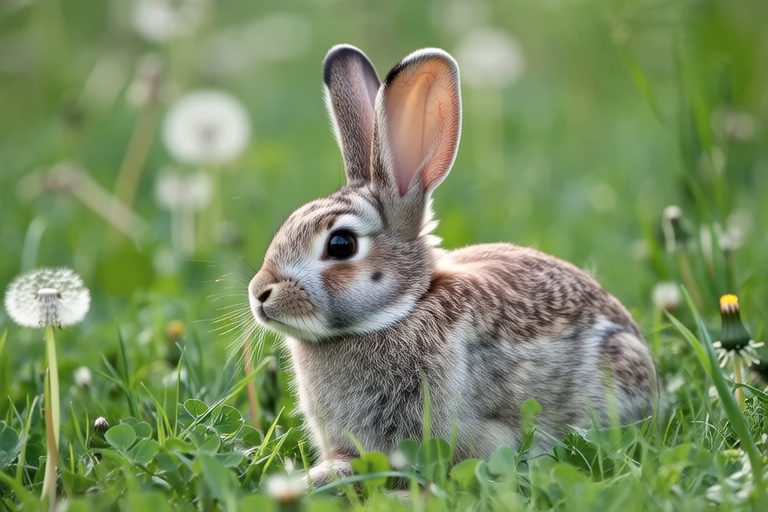
Lop Rabbits Unleashed: Everything You Need to Know Before Adopting
Welcome to the world of lop rabbits! These charming creatures have captured the hearts of many pet lovers with their unique floppy ears and gentle demeanor. Lop rabbits come in various sizes, colors, and breeds, making them one of the most popular choices for families looking for a loving companion. In this comprehensive guide, we will explore everything you need to know before adopting a lop rabbit, ensuring that you are fully prepared for the rewarding experience of rabbit ownership.
Introduction to Lop Rabbits
Lop rabbits are known for their signature drooping ears, which can be found in several breeds. Their ears, typically long and hanging down, are often a point of fascination for children and adults alike. These rabbits are not only beautiful but also incredibly affectionate and intelligent, making them perfect pets for those who want a companion that is both fun and low-maintenance.
Their popularity as pets has grown over the years due to their docile nature and adaptability. Whether you live in a small apartment or a spacious house, lop rabbits can thrive in a variety of environments. However, it’s important to remember that owning a pet is a significant commitment, and lop rabbits require proper care and attention to ensure their well-being.
Different Breeds of Lop Rabbits
There are several breeds of lop rabbits, each with its own unique characteristics:
- English Lops: Known for their exceptionally large ears, these rabbits can weigh up to 14 pounds and are often used in show competitions.
- French Lops: A cross between English Lops and domestic meat rabbits, French Lops are larger and more robust, weighing up to 13 pounds.
- Miniature Lops: As the name suggests, these are smaller versions of the standard lop breeds, typically weighing around 5 pounds.
Each breed has its own set of traits and care requirements, so it’s essential to research thoroughly before choosing the right lop rabbit for your family.
Temperaments of Lop Rabbits
Lop rabbits are generally known for their calm and gentle disposition. They are social animals and enjoy interacting with their human companions. Many lop rabbits are playful and curious, often exploring their surroundings with great interest. Some may even enjoy being cuddled or petted, but it’s important to approach them gently and allow them time to adjust to new situations.
While lop rabbits are generally good-natured, it’s important to provide them with plenty of mental and physical stimulation to prevent boredom and destructive behavior. Regular interaction, toys, and exercise are crucial for maintaining their happiness and well-being.
Care Requirements
Diet
Proper nutrition is vital for the health of your lop rabbit. The bulk of their diet should consist of high-quality hay, which aids in digestion and maintains dental health. Pellets formulated specifically for rabbits should be provided in limited quantities to avoid obesity. Fresh vegetables and fruits can be given as occasional treats, but always introduce new foods gradually to prevent digestive upset.
Housing
Lop rabbits need a safe and comfortable living space. A spacious indoor or outdoor hutch with adequate ventilation is ideal. The hutch should be large enough for the rabbit to move around freely, stretch out, and stand up on its hind legs without touching the top of the enclosure. Bedding materials like straw or shredded paper should be used to keep the environment clean and cozy.
Grooming
Grooming is an essential part of caring for your lop rabbit. Regular brushing helps to remove loose fur and prevent matting. Bathing should be kept to a minimum as rabbits are very sensitive to water. Instead, spot clean areas as needed and consult with your veterinarian if you notice any skin issues.
Exercise
Providing ample opportunities for exercise is crucial for your lop rabbit’s physical and mental health. Daily playtime outside of their enclosure allows them to stretch their legs and engage in natural behaviors. Supervised play sessions in a secure, rabbit-proofed area are recommended to ensure safety.
Common Health Issues and Preventive Care
Like all pets, lop rabbits are susceptible to certain health problems. Regular veterinary check-ups are essential for early detection and treatment. Common issues include dental problems, respiratory infections, and gastrointestinal disorders. Proper diet, hygiene, and routine care can help prevent many of these conditions.
Vaccinations are not typically necessary for pet rabbits, but they should be protected against internal and external parasites through regular treatments prescribed by a veterinarian.
Rabbit-Proofing Your Home
To ensure the safety of your lop rabbit, it’s important to make your home rabbit-proof. Remove or cover electrical cords, secure furniture, and block off areas that could pose a danger. Providing safe chew toys can redirect their natural chewing instincts away from household items.
Introducing Your Lop Rabbit to Other Pets
If you already have other pets in your home, introducing a new lop rabbit requires careful planning. Supervise interactions closely at first, especially with dogs and cats, to ensure compatibility. Gradual introductions in controlled settings can help establish positive relationships.
Adopting from Shelters or Rescues
Adopting a lop rabbit from a shelter or rescue organization is a wonderful way to give a deserving animal a second chance. These organizations often provide valuable information about the rabbit’s history and specific needs. Adoption also means providing a loving home to an animal that might otherwise face uncertain circumstances.
However, it’s important to remember that adopting a pet is a long-term commitment. Lop rabbits can live for 8 to 12 years, so consider your lifestyle and ability to provide consistent care before making the decision to adopt.
Conclusion
Owning a lop rabbit can be a deeply rewarding experience, offering companionship and joy for many years. By understanding their unique needs and dedicating yourself to their care, you can ensure a happy and healthy life for your new furry friend. Remember, the bond between you and your lop rabbit will grow stronger with time, patience, and love.
