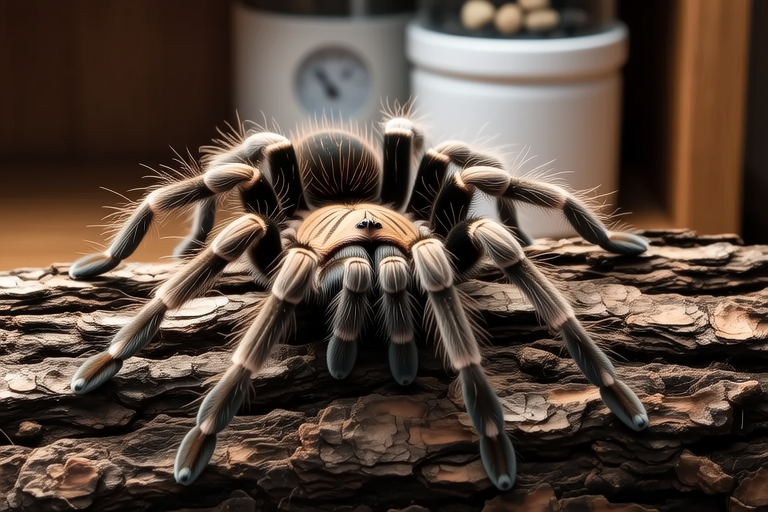
Inside the Secret World of Keeping Tarantulas at Home
Tarantulas have long been misunderstood creatures, often associated with fear and horror due to their large size and intimidating appearance. However, these fascinating arachnids can make excellent pets for those who appreciate unique and low-maintenance companions. In this article, we will explore the world of keeping tarantulas at home, debunking common myths and offering valuable advice on how to care for these incredible animals.
Unveiling the Myth: Tarantulas as Pets
Tarantulas are not the aggressive, venomous beasts they are often portrayed to be in popular culture. Most species of tarantulas are docile and pose little threat to humans. Their venom is generally less potent than that of a bee sting, and they are more likely to flee than attack when threatened. Their hairy appearance and sometimes intimidating demeanor might seem off-putting at first glance, but once you get to know them, you’ll find them to be quite fascinating.
Setting Up the Perfect Habitat
Creating a suitable habitat is crucial for the well-being of your tarantula. The enclosure size should be appropriate for the species; typically, a tank measuring 10 gallons or more is recommended for most adult tarantulas. The substrate should mimic their natural environment, such as coconut fiber, peat moss, or vermiculite. This helps maintain the right level of humidity, which is vital for their health.
Temperature and humidity levels must also be carefully controlled. Most tarantulas thrive in temperatures ranging from 75 to 85 degrees Fahrenheit (24 to 29 degrees Celsius). Humidity levels should be maintained between 60% and 80%, depending on the specific species. Proper lighting is also important; while tarantulas don’t require UVB light, a heat lamp can help maintain the desired temperature range.
Dietary Needs
Tarantulas are carnivorous and feed primarily on insects such as crickets, mealworms, and roaches. The size of the prey should be appropriate for the tarantula’s age and size. Younger tarantulas may eat smaller prey like fruit flies, while adults can handle larger insects. Feeding should be done once or twice a week, depending on the tarantula’s appetite and species.
It’s important to gut-load the prey before feeding it to your tarantula. This means feeding the insects nutritious food such as vegetables and fruits for a few days before they are offered to your pet. This ensures that the tarantula gets all the necessary nutrients from its diet.
Handling and Interaction
While tarantulas are not typically handled like other pets, some species can be gently touched or held if properly acclimated. Handling should always be done with care and respect for the tarantula’s comfort. It’s best to avoid frequent handling, as tarantulas prefer to spend most of their time in their enclosure.
The low-maintenance nature of tarantulas makes them ideal pets for busy individuals or those looking for a less demanding companion. Unlike many other pets, tarantulas do not require daily walks, grooming, or extensive social interaction. They simply need a clean, comfortable environment and regular feeding.
Maintaining Health and Enrichment
To ensure the health of your tarantula, it’s essential to monitor its behavior and physical condition regularly. Signs of illness include lethargy, refusal to eat, unusual webbing patterns, or visible injuries. If you notice any of these symptoms, consult a veterinarian specializing in exotic pets for proper diagnosis and treatment.
Providing enrichment for your tarantula can enhance its quality of life. This can include adding climbing structures, hiding spots, and occasional rearrangement of the enclosure to stimulate exploration. Some tarantulas enjoy burrowing, so providing a substrate that allows for digging can be beneficial.
The Rewarding Experience of Tarantula Ownership
Owning a tarantula can be a rewarding experience for those interested in exotic pets. These unique creatures offer a glimpse into the fascinating world of arachnids, providing endless opportunities for learning and observation. By understanding their needs and creating a suitable environment, you can ensure your tarantula lives a happy and healthy life.
If you’re considering adding a tarantula to your family, take the time to research different species and choose one that aligns with your lifestyle and preferences. With proper care and attention, you’ll find that tarantulas can be wonderful, albeit unconventional, companions.
