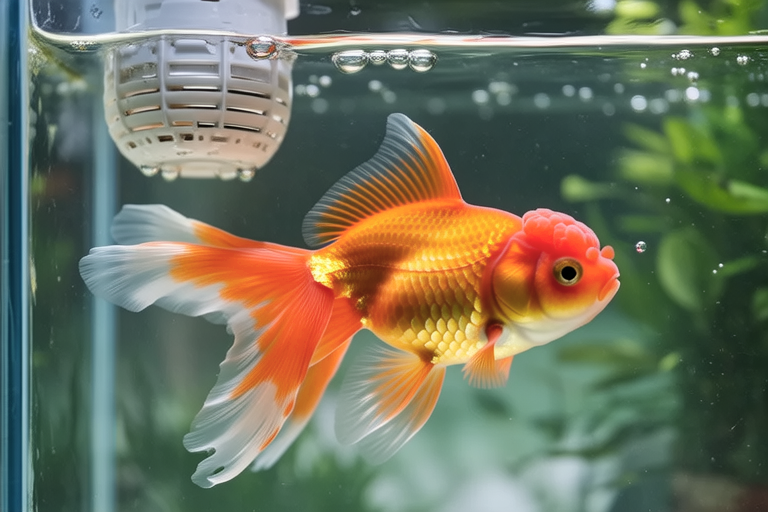
The Hidden Secrets Behind Goldfish Behavior You Never Knew
Goldfish, often seen as simple, decorative pets, are far more complex creatures than many people realize. These vibrant, graceful swimmers possess a surprising array of behaviors and cognitive abilities that can enrich the experience of both novice and experienced aquarists. Understanding these hidden secrets can help you provide a more nurturing and stimulating environment for your goldfish.
Goldfish: More Than Meets the Eye
Goldfish have long been cherished for their beauty and ease of care, but they are also intelligent animals capable of forming bonds with their human caretakers. Contrary to popular belief, goldfish are not just passive inhabitants of aquariums; they engage in a variety of behaviors that reveal their active minds.
Recognizing Their Owners
One of the most fascinating aspects of goldfish behavior is their ability to recognize their owners. Studies have shown that goldfish can differentiate between various faces, especially those of their primary caretakers. This recognition isn’t merely visual; it involves a combination of sight, sound, and even smell. When approached, goldfish may become more active or even swim towards the edge of the tank, anticipating food or attention.
Responding to Different Stimuli
Goldfish are highly responsive to environmental changes and stimuli. They can learn to associate specific sounds or movements with feeding times, which can be used to train them to perform tricks. For example, some goldfish can be trained to eat from your hand or respond to a whistle. This responsiveness indicates a level of intelligence that goes beyond mere instinct.
Feeding Preferences
Goldfish also exhibit distinct preferences regarding when and how they are fed. Many owners report that their fish become excited at regular feeding times, sometimes even swimming to the surface before the food has been added. This anticipation suggests that goldfish have internal clocks and can predict routine activities. It’s important to maintain a consistent feeding schedule to keep your goldfish healthy and happy.
The Role of Environment
The environment in which goldfish live plays a crucial role in shaping their behavior. Several factors, including tank size, companionship, and decor, can influence their well-being and activity levels.
Tank Size
Adequate space is essential for goldfish, as cramped conditions can lead to stress and health issues. Goldfish require ample room to swim freely, which promotes physical and mental health. A larger tank allows for more complex behaviors and reduces aggression among tank mates.
Companionship
Goldfish are social animals and thrive in the presence of other goldfish. However, it’s important to choose compatible species and monitor interactions to prevent bullying or territorial disputes. Group dynamics can significantly affect individual behavior, so it’s beneficial to introduce new fish gradually and observe their interactions closely.
Decor and Aquascaping
The layout of the tank, including plants, rocks, and other decorations, can stimulate exploration and play. Providing hiding spots and varied terrain encourages natural behaviors and reduces boredom. An enriched environment can enhance the overall quality of life for your goldfish.
Scientific Insights: Memory and Learning Capabilities
Contrary to the common misconception that goldfish have only a three-second memory, research has demonstrated that they possess impressive memory and learning abilities. Goldfish can remember specific tasks and locations for several months, indicating a longer-term memory span than previously thought. They can also learn from past experiences, adapting their behaviors to avoid threats or locate food sources more efficiently.
Tips for Goldfish Owners
Understanding the unique behaviors and needs of goldfish can greatly enhance the bond between pet and owner. Here are some tips to help you provide the best care for your goldfish:
- Consistent Feeding Schedule: Establish a regular feeding time to help your goldfish anticipate meals and maintain a healthy diet.
- Engage with Your Fish: Spend time near the tank, talking to your goldfish or offering treats. This interaction can strengthen the bond between you and your pet.
- Enrich the Environment: Provide toys, plants, and other features to stimulate exploration and play. Rotate items occasionally to keep the tank interesting.
- Monitor Health and Behavior: Regularly check for signs of illness or distress, such as lethargy, loss of appetite, or unusual swimming patterns. Early detection can prevent serious health issues.
- Learn About Companionship: Understand the dynamics of keeping multiple goldfish together. Choose compatible species and ensure there is enough space for all inhabitants.
In conclusion, goldfish are not just pretty decorations for your home; they are intelligent, interactive pets that can bring joy and companionship to your life. By understanding their behaviors and needs, you can create a stimulating and nurturing environment that will keep your goldfish healthy and happy. With a little effort and knowledge, you can unlock the full potential of your goldfish and enjoy a deeper connection with these delightful aquatic friends.
