Adopting a Maine Coon: A Complete Guide for First-Time Cat Owners
Welcome to the world of Maine Coon cats! If you’re considering adopting one of these magnificent creatures, you’re about to embark on a rewarding journey filled with love, companionship, and unique experiences. This guide aims to provide you with all the information you need to ensure a smooth transition and a happy life for both you and your new feline friend.
An Introduction to Maine Coons
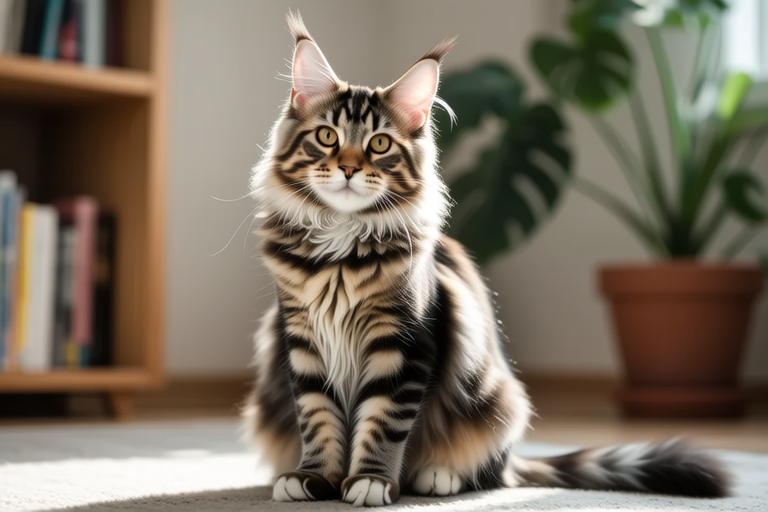
Maine Coons are one of the largest domesticated breeds of cats, known for their friendly and gentle nature. They are often referred to as “gentle giants” due to their size and affectionate personalities. Originating from the state of Maine in the United States, these cats have adapted to harsh winter conditions, resulting in their thick, water-resistant coats and tufted ears. Their intelligence and playfulness make them excellent companions, and they are generally very good with children and other pets.
Choosing the Right Breeder or Shelter
When adopting a Maine Coon, it’s crucial to choose a reputable breeder or shelter. Reputable breeders prioritize the health and well-being of their cats and can provide valuable insights into the breed’s history and care. Shelters and rescue organizations also offer loving Maine Coons that need homes. Ensure the breeder or shelter provides documentation of health checks, vaccinations, and spaying/neutering where applicable.
The Adoption Process
The adoption process typically involves filling out an application, meeting the cat, and signing an adoption agreement. The agreement outlines responsibilities such as providing proper care, ensuring the cat’s safety, and adhering to any return policies. Many shelters require a home visit to assess the living environment and compatibility with other pets.
Initial Veterinary Care
Upon bringing your Maine Coon home, schedule a visit with a veterinarian for a thorough check-up. Your vet will administer necessary vaccinations, deworming treatments, and perform a general health assessment. Discuss spaying or neutering if this hasn’t been done already, along with microchipping for identification purposes.
Essential Supplies for a New Maine Coon
- Grooming Tools: A wide-tooth comb, slicker brush, and a fine-tooth comb for tangles.
- Litter Box: Choose a litter box large enough for your cat to move around comfortably.
- Litter: Use unscented, clumping litter to minimize dust.
- Bowls: Stainless steel or ceramic bowls for food and water.
- Toys: Interactive toys, teaser wands, and puzzle feeders to stimulate mental and physical activity.
- Nesting Areas: Soft beds, blankets, and cozy spots for your cat to rest.
Grooming Tips Specific to Their Coat
Maine Coons have semi-longhair coats that require regular grooming to prevent matting and tangling. Brush your cat at least once a week, more frequently during shedding seasons. Pay special attention to areas prone to tangles, such as behind the ears and under the tail. Regular brushing also helps distribute natural oils throughout the coat, promoting healthy skin.
Dietary Requirements
Maine Coons are obligate carnivores, meaning their diet should consist primarily of animal-based proteins. High-quality commercial cat foods formulated for their age and activity level are recommended. Avoid foods containing fillers, artificial preservatives, and sugars. Fresh water should always be available, and some cats may benefit from occasional supplements like fish oil for joint health.
Exercise Needs
Despite their size, Maine Coons are quite active and enjoy playing. Provide ample opportunities for exercise through interactive play sessions, climbing structures, and window perches. Puzzle feeders can also encourage mental stimulation and physical activity. Regular playtime helps maintain a healthy weight and reduces behavioral issues.
Training and Socializing
Training and socialization are vital for a well-adjusted cat. Positive reinforcement techniques, such as clicker training and treats, can teach basic commands and tricks. Early exposure to various stimuli, including different people, animals, and environments, helps build confidence and adaptability. Maine Coons are generally curious and friendly, making them relatively easy to socialize.
Common Health Issues
While Maine Coons are generally healthy, they can be predisposed to certain genetic disorders. Hypertrophic cardiomyopathy (HCM), hip dysplasia, and polycystic kidney disease (PKD) are among the most common. Regular veterinary check-ups, genetic testing, and early intervention can help manage these conditions. Maintain a balanced diet, provide regular exercise, and monitor for any unusual symptoms.
Ensuring a Smooth Transition
A smooth transition involves creating a comfortable environment, establishing routines, and giving your cat time to adjust. Set up a quiet space with all necessary supplies, gradually introduce new elements, and allow your cat to explore at its own pace. Be patient and attentive, offering reassurance and positive reinforcement. Gradually expand their territory as they become more comfortable.
Ongoing Support and Community Engagement
Joining local cat clubs, online forums, and social media groups can provide invaluable support and advice. These communities offer a wealth of knowledge and encouragement for new cat owners. Attend workshops, seminars, and events to learn more about cat care and connect with fellow enthusiasts. Sharing experiences and tips can enrich your Maine Coon’s life and strengthen your bond.
Adopting a Maine Coon is an exciting step towards a fulfilling relationship with a loving companion. By following the guidance provided in this article, you’ll be well-prepared to welcome your new furry friend into your home and ensure a lifetime of happiness and joy together.
