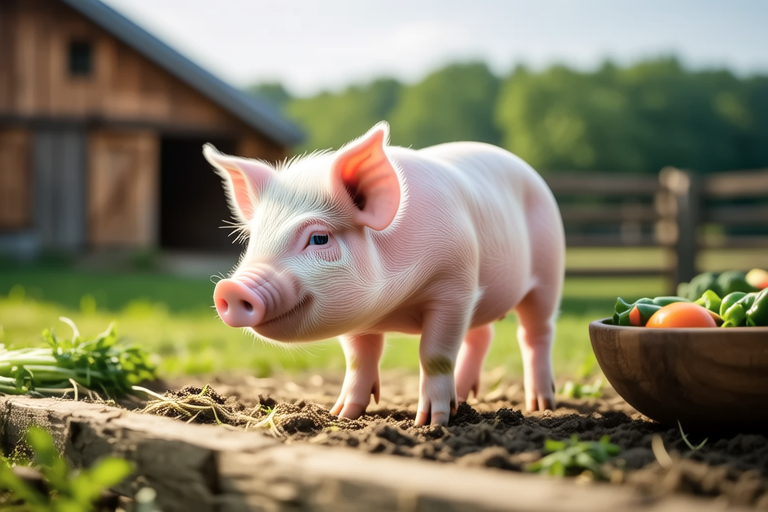
Busting Myths About Mini Pigs: Are They Really Low-Maintenance?
Mini pigs have become increasingly popular pets in recent years, often marketed as small, cute, and low-maintenance companions. However, many potential owners may be surprised to learn that these pint-sized animals come with a host of responsibilities that extend far beyond the typical pet care routine. In this article, we will explore some of the most common myths surrounding mini pigs and provide a comprehensive overview of what it truly means to own one of these intelligent and affectionate creatures.
The Myth of Low Maintenance
One of the most pervasive myths about mini pigs is that they are low-maintenance pets. While they may be smaller than their larger counterparts, mini pigs still require careful attention to their dietary needs, exercise, grooming, and healthcare. Let’s delve into each of these aspects to understand why owning a mini pig is a significant commitment.
Dietary Needs
Mini pigs have specific dietary requirements that must be met to ensure their health and well-being. Unlike dogs or cats, pigs are omnivores and require a balanced diet that includes both plant-based and animal-based proteins. A proper diet for a mini pig typically consists of commercial pig feed, fresh vegetables, fruits, and limited amounts of grains. It is crucial to avoid overfeeding, as pigs can easily become overweight, leading to health issues such as joint problems and heart disease.
Exercise Requirements
Despite their small size, mini pigs need regular physical activity to maintain their health and prevent obesity. Pigs are naturally curious and enjoy exploring their environment. Providing them with a safe, stimulating space where they can root around and forage is essential. Indoor play areas equipped with toys and tunnels can help keep them entertained, while outdoor spaces allow them to run and play. Daily walks on a leash are also beneficial for their mental and physical well-being.
Grooming
Grooming is another aspect of mini pig care that requires attention. Regular brushing helps to remove loose hair and dirt from their coats, preventing matting and skin issues. Bathing should be done sparingly, only when necessary, as frequent bathing can strip their skin of natural oils. Trimming their nails and cleaning their ears are also part of routine grooming. Additionally, keeping their living area clean is vital to prevent infections and unpleasant odors.
Healthcare
Regular veterinary check-ups are essential for maintaining the health of your mini pig. Vaccinations, deworming, and parasite control are all important aspects of their healthcare regimen. Early detection and treatment of health issues can prevent more serious conditions from developing. Mini pigs are prone to certain health problems, including respiratory infections, dental issues, and arthritis, so it is crucial to work closely with a veterinarian who has experience with pigs.
Lifespan, Average Size, and Intelligence
Understanding the lifespan, average size, and intelligence of mini pigs can help potential owners make informed decisions about adopting one of these animals.
Lifespan
Mini pigs can live between 12 to 20 years, depending on various factors such as genetics, diet, and overall care. This long lifespan underscores the commitment required to own a mini pig, as they will be a part of your life for a considerable amount of time.
Average Size
The term ‘mini pig’ can be misleading, as there is no universally accepted standard for their size. Generally, mini pigs range from 50 to 75 pounds, but some can grow much larger. Proper breeding and responsible feeding practices are crucial in ensuring that a mini pig stays within its expected weight range.
Intelligence
Pigs are among the most intelligent animals, ranking alongside primates and dolphins in terms of cognitive abilities. They are quick learners and can be trained to perform various tasks and tricks. Their intelligence makes them highly social animals that thrive on interaction and mental stimulation.
Housing Solutions
Providing adequate housing is a critical aspect of caring for a mini pig. The ideal living arrangement should offer both indoor and outdoor spaces, depending on the climate and available resources.
Indoor Housing
For colder climates or homes without access to outdoor space, creating an indoor habitat is necessary. An indoor pen should be large enough for the pig to move around comfortably, with soft bedding, a designated sleeping area, and toys to keep them occupied. Access to a bathroom area, such as a litter box or potty training pad, is also essential for maintaining hygiene.
Outdoor Housing
When weather permits, allowing mini pigs to spend time outdoors is beneficial for their physical and mental health. An outdoor enclosure should be secure, with fencing that prevents escapes and protects against predators. The enclosure should include areas for digging, lounging, and playing. Providing shade, shelter, and a source of fresh water is also crucial, especially in hot weather.
Behavioral Traits and Socialization
Mini pigs are social animals that form strong bonds with their human families. Understanding their behavioral traits and the importance of socialization is key to raising a happy and well-adjusted pig.
Behavioral Traits
Mini pigs are known for their curiosity and love of exploration. They are generally calm and docile, but they can also be stubborn and independent at times. Positive reinforcement training methods are effective in shaping their behavior and teaching them commands.
Socialization
Early socialization is crucial for mini pigs, as it helps them develop good manners and reduces the likelihood of behavioral issues. Exposing them to different environments, people, and other animals from a young age can help them become well-rounded and adaptable pets.
Tips for Prospective Owners
Owning a mini pig is a rewarding experience, but it requires a significant commitment. Here are some tips for prospective owners to ensure they are prepared for the responsibility:
- Research thoroughly: Learn as much as you can about mini pigs before bringing one home. Understand their needs, behaviors, and the resources required for their care.
- Find a reputable breeder: Choosing a reputable breeder ensures that you are adopting a healthy pig from a responsible source. Avoid buying from pet stores or online sellers who may prioritize profit over the welfare of the animals.
- Prepare your home: Ensure that your living space is suitable for a mini pig. This includes setting up a comfortable indoor pen and, if possible, a secure outdoor enclosure.
- Be patient and consistent: Training and socializing a mini pig takes time and patience. Use positive reinforcement techniques and remain consistent in your approach.
- Seek support: Joining a community of pig owners can provide valuable support and advice. Local pig clubs and online forums are great resources for connecting with experienced owners.
Owning a mini pig is a lifelong commitment that requires dedication, love, and a willingness to learn. By understanding the true nature of these remarkable animals, you can provide them with the care and attention they deserve, ensuring a happy and healthy life for both you and your mini pig.
