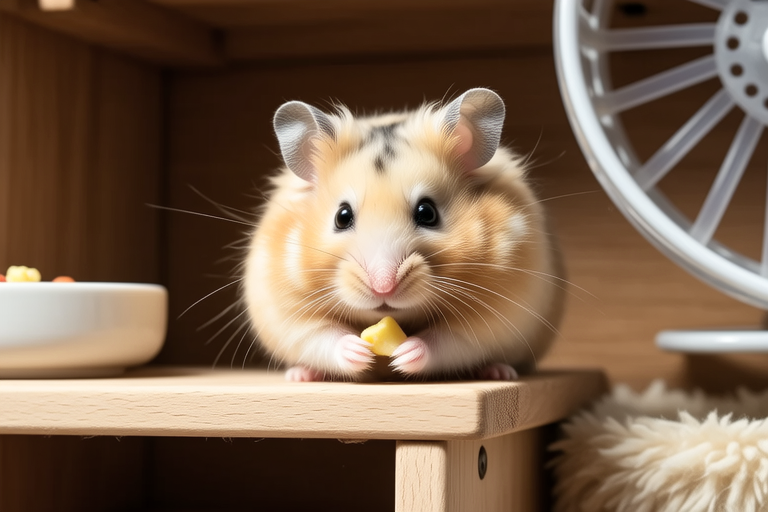
Adorable and Active: How to Keep Your Golden Hamster Happy
Welcome to the wonderful world of golden hamsters! These small, furry creatures are known for their adorable appearance and playful nature. As a hamster owner, it’s important to understand how to care for your pet to ensure they lead a happy and healthy life. In this guide, we’ll cover everything you need to know about keeping your golden hamster happy, from basic needs to common health issues.
Basic Needs
Before diving into the specifics of hamster care, let’s start with the basics. Golden hamsters require a clean, safe environment, a balanced diet, and plenty of attention to thrive. They are nocturnal animals, meaning they’re most active during the night, so expect them to be more lively when the sun goes down. Providing a quiet space away from loud noises will help your hamster feel secure and comfortable.
Suitable Housing
Adequate housing is crucial for your hamster’s well-being. The cage should be spacious enough to allow your pet to move around freely and explore. A minimum size of 80cm x 40cm x 40cm (32″ x 16″ x 16″) is recommended. The cage should have solid flooring, as wire-bottomed cages can hurt your hamster’s delicate feet. Include a nesting area with soft bedding such as shredded paper or commercially available wood shavings, and provide a hide box or tunnel for your hamster to retreat to when feeling scared or tired.
In addition to the primary living area, consider adding levels or platforms to create vertical space for climbing and exploring. Ensure that any accessories or toys added to the cage are safe and free from small parts that could pose a choking hazard. Regular cleaning of the cage is essential to maintain hygiene and prevent odors.
Dietary Requirements
Your golden hamster’s diet should consist primarily of high-quality hamster food, which can be found at most pet stores. This mix typically contains seeds, grains, pellets, and other nutrients necessary for your pet’s health. Alongside the commercial mix, offer fresh vegetables and fruits in moderation, as these can provide additional vitamins and minerals. Suitable treats include tiny pieces of apple, carrot, or broccoli. Avoid feeding your hamster foods that are harmful to them, such as chocolate, citrus fruits, or sugary snacks.
Ensure a constant supply of fresh water, either through a sipper bottle or a heavy ceramic dish to prevent tipping. Change the water daily and clean the bottle or dish regularly to avoid bacterial growth.
Exercise Essentials
Golden hamsters are naturally curious and active creatures that require regular physical activity to stay healthy. While they get some exercise by running on wheels within their cage, providing additional opportunities for movement outside of the enclosure is beneficial. A hamster ball allows your pet to explore safely while supervised, but limit playtime to no more than 15 minutes at a time to prevent exhaustion.
Consider setting up a play area in a room with minimal hazards, ensuring there are no gaps where your hamster might escape or get stuck. Rotate toys and accessories to keep your hamster engaged and mentally stimulated. Exercise not only benefits their physical health but also contributes to their emotional well-being.
Enrichment Activities
To keep your golden hamster mentally sharp and entertained, incorporate enrichment activities into their daily routine. Puzzle feeders, tunnels, and bridges can stimulate problem-solving skills and encourage exploration. Rotate toys frequently to prevent boredom and introduce new items gradually to avoid overwhelming your pet.
Interactive play sessions with you can strengthen the bond between you and your hamster. Gently handle your pet, allowing them to become accustomed to human interaction. Always support their body weight when holding them to prevent injury. Remember that hamsters may nip if startled or uncomfortable, so approach them calmly and patiently.
