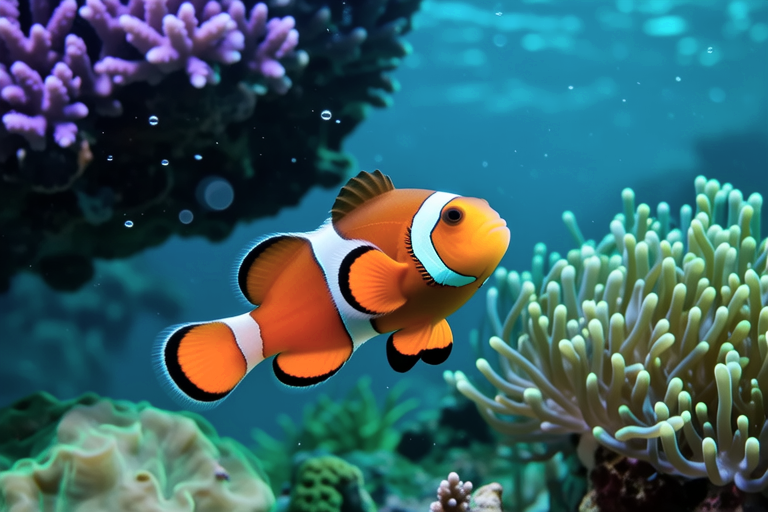
From the Sea to Your Tank: The Ultimate Guide to Keeping Clownfish
Introduction
Welcome to the fascinating world of clownfish! These vibrant, friendly fish are popular among aquarium enthusiasts due to their striking appearance and easy care requirements. This comprehensive guide will walk you through everything you need to know about keeping clownfish, from setting up your tank to ensuring their health and happiness.
Clownfish Species Diversity
There are over 30 recognized species of clownfish, belonging to the genus Amphiprion and Premnas. Each species has unique color patterns and behaviors. Some of the most popular species include the Ocellaris clownfish (Amphiprion ocellaris), the Tomato clownfish (Amphiprion frenatus), and the Maroon clownfish (Premnas biaculeatus). Understanding the specific needs of each species can help you provide the best possible environment for your fish.
Ideal Tank Setup Requirements
To create a suitable habitat for your clownfish, consider the following:
- Tank Size: A minimum of 20 gallons is recommended for a single pair or small group of clownfish. Larger tanks allow for more swimming space and better water quality.
- Filtration System: Invest in a high-quality filtration system that can handle biological, mechanical, and chemical filtration.
- Heater: Maintain a stable temperature between 76°F and 82°F.
- Lighting: Provide moderate lighting, as clownfish do not require intense light.
- Decorations: Incorporate live rock and coral to mimic their natural environment. Live rocks also serve as a source of food and shelter.
- Hiding Places: Ensure there are enough hiding spots, especially if housing multiple clownfish.
Water Parameters
Maintaining proper water conditions is crucial for the health of your clownfish. Here are some key parameters to monitor:
- Temperature: Keep it between 76°F and 82°F.
- pH Level: Aim for a pH range of 8.1 to 8.4.
- Salinity: Maintain a specific gravity of 1.020 to 1.025.
- Ammonia and Nitrite Levels: Both should be at 0 ppm.
- Nitrate Levels: Keep below 20 ppm.
Diet Specifics
Clownfish are omnivores, feeding on both plant matter and small animals. Their diet in captivity should consist of a variety of foods:
- Flake Food: High-quality flake food designed for marine fish.
- Frozen Foods: Brine shrimp, mysis shrimp, and other frozen foods.
- Cuttlebone: Provides calcium and aids in digestion.
- Algae Wafers: Offer algae wafers for additional plant-based nutrition.
Feed your clownfish 2-3 times a day, offering only what they can consume within a few minutes.
Compatibility with Other Marine Life
Clownfish can coexist with various species of marine life, but care must be taken to ensure compatibility:
- Sea Anemones: Clownfish have a symbiotic relationship with certain sea anemones. While this relationship is beautiful to observe, it’s not essential for the fish’s survival.
- Other Clownfish: Housing multiple clownfish together requires a large tank and plenty of hiding places to prevent aggression.
- Peaceful Fish: Clownfish can live peacefully with other non-aggressive fish, such as damsels and tangs.
- Invertebrates: Avoid keeping clownfish with aggressive or predatory invertebrates like crabs and shrimp.
Breeding Tips
Breeding clownfish can be rewarding but requires careful planning:
- Select Healthy Parents: Choose mature, healthy clownfish for breeding.
- Conditioning: Feed a varied diet rich in protein to prepare the fish for spawning.
- Spawning: Males will clean a flat surface, usually a rock or glass, where the female will deposit her eggs. The male then fertilizes them.
- Egg Care: After spawning, the male guards the eggs, fanning them to keep them oxygenated and free from debris.
- Incubation Period: Eggs typically hatch after 6-10 days.
- Feeding Fry: Once hatched, feed the fry infusoria or rotifers until they are large enough to eat baby brine shrimp.
Common Health Issues
While generally hardy, clownfish can suffer from certain health problems:
- Ich: A parasitic infection causing white spots on the fish. Treat with appropriate medications.
- Fungus: Often appears as cotton-like growths on the fish. Improve water quality and treat with antifungal medications.
- Fin Rot: Bacterial infection leading to fin deterioration. Enhance water quality and use antibacterial treatments.
- Overfeeding: Can lead to digestive issues and obesity. Stick to a balanced diet and avoid overfeeding.
Maintenance Practices
Regular maintenance ensures a healthy environment for your clownfish:
- Water Changes: Perform weekly partial water changes of 10-20% to maintain water quality.
- Filter Maintenance: Clean filters regularly to prevent clogging and maintain efficient filtration.
- Monitoring Equipment: Regularly check heaters, pumps, and other equipment to ensure they are functioning correctly.
- Observation: Monitor your clownfish daily for any signs of stress or illness.
Conclusion
Keeping clownfish can be a delightful and rewarding experience. By understanding their diverse species, providing an ideal tank setup, maintaining proper water parameters, and offering a balanced diet, you can ensure the health and happiness of these fascinating creatures. Whether you’re a beginner or an experienced aquarist, this guide will help you create a thriving home for your clownfish.
