Goldfish: The Ultimate Guide for Beginners
Welcome to your ultimate guide to goldfish care! Whether you’re a first-time fishkeeper or considering adding a splash of color to your home, this comprehensive guide will help you understand everything you need to know about these delightful creatures. From setting up their environment to maintaining their health, we’ll cover it all.
Understanding Goldfish Species
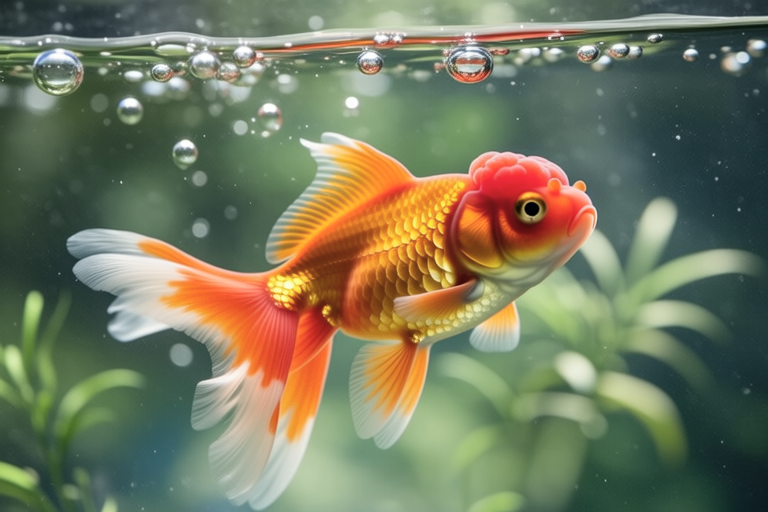
Goldfish come in various shapes and sizes, each with unique characteristics. Common goldfish are the most popular, known for their bright orange color and round bodies. Comets and shubunkins are more streamlined, making them better swimmers. Then there are fancy varieties like fantails, ryukins, and orandas, which have unique fin structures and vibrant colors. When choosing your goldfish, consider both their appearance and the space they require. Each species has different needs, so research carefully before making your decision.
Suitable Tank Setup and Size
Setting up the right tank is crucial for your goldfish’s happiness and health. A good rule of thumb is one gallon of water per inch of fish. For instance, if you plan on keeping three adult goldfish, you’ll need at least a 30-gallon tank. Larger tanks provide more room for swimming and help maintain stable water conditions. Choose a rectangular tank that allows for more horizontal swimming space rather than a tall, narrow one.
Substrate, or the bottom material of your tank, can be gravel or sand. Gravel is easier to clean but can trap food particles, while sand is more aesthetically pleasing and less likely to harm your fish. Add some live plants for natural beauty and oxygen production. Floating plants like hornwort and anacharis are excellent choices.
Filtration Systems
A proper filtration system is vital for maintaining healthy water conditions. Filters remove waste, uneaten food, and excess nutrients that can lead to harmful algae growth. Choose a filter that matches your tank size and flow rate. Hang-on-back filters and canister filters are popular choices for goldfish tanks. Ensure the filter creates gentle water movement without overwhelming your fish.
Regular maintenance of your filter is essential. Clean the filter media every two weeks and replace it as needed. This helps prevent clogs and keeps the water flowing smoothly.
Water Quality Maintenance
Water quality directly impacts your goldfish’s health. Test your water regularly for pH, ammonia, nitrite, and nitrate levels. Aim for a pH between 6.5 and 8.0, and keep ammonia and nitrite levels at zero. Nitrate levels should be kept below 40 ppm.
Water changes are crucial for maintaining water quality. Change 20-30% of the water weekly to remove toxins and replenish essential minerals. Use a gravel vacuum to clean the substrate during water changes. Always treat tap water with a dechlorinator before adding it to the tank to neutralize harmful chemicals.
Feeding Guidelines
Goldfish are omnivores and enjoy a variety of foods. High-quality flake or pellet food provides the necessary nutrients. Supplement their diet with fresh vegetables like zucchini, peas, and spinach. Offer protein-rich treats like brine shrimp or bloodworms occasionally. Feed your goldfish twice daily, offering only what they can consume within a few minutes. Overfeeding leads to poor water quality and health issues.
Rotate their diet regularly to ensure a balanced intake of nutrients. Avoid overfeeding by observing their behavior. If they stop eating after a minute or two, you’ve given them enough food.
Common Health Issues
Goldfish are generally hardy, but they can suffer from various health issues. Fin rot, caused by bacteria, appears as frayed or discolored fins. Ich, a parasitic infection, shows up as tiny white spots on the body and fins. Dropsy, characterized by bloated bodies, is often fatal. Swim bladder disorder causes buoyancy issues. To prevent these problems, maintain pristine water quality and quarantine any new additions to the tank.
If you notice signs of illness, isolate the affected fish in a hospital tank. Treatments vary depending on the issue, so consult a veterinarian or online resources for specific guidance. Early intervention is key to recovery.
Tips for Creating a Stimulating Environment
Goldfish thrive in environments that mimic their natural habitat. Provide hiding spots with caves, driftwood, or artificial plants. Incorporate gentle decorations like rocks and ornaments. Avoid sharp or rough objects that could injure your fish. Install a dimmable light fixture to simulate day and night cycles. Ensure your tank receives indirect sunlight to promote plant growth and reduce algae.
Introduce some live plants for a more natural setting. Not only do they add aesthetic appeal, but they also produce oxygen and absorb carbon dioxide. Regularly monitor the tank’s temperature, ideally keeping it between 68 and 74 degrees Fahrenheit.
Importance of Responsible Care
Responsible goldfish care ensures their longevity and well-being. Regular maintenance, proper feeding, and attention to water quality are essential. Be patient and observant, learning to recognize signs of stress or illness early. Goldfish can live for decades with the right care. By providing a healthy, stimulating environment, you’ll enjoy years of companionship with these charming aquatic pets.
Conclusion
Caring for goldfish is a rewarding experience that brings joy and relaxation into your home. With the knowledge gained from this guide, you’re well-equipped to set up a thriving aquarium. Remember, patience and attentiveness are key. Enjoy the process of nurturing these beautiful creatures, and watch them bring life and color to your living space.
