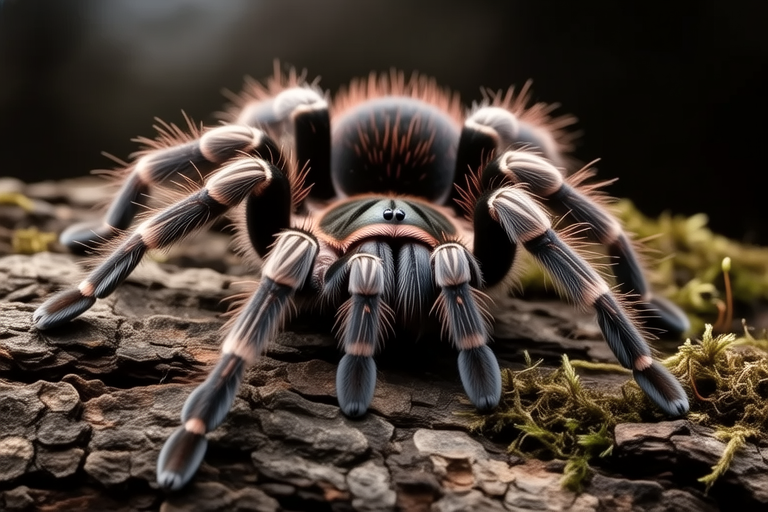
Caring for a Chilean Rose Tarantula: Insights from Expert Arachnophiles
The Chilean Rose Tarantula (Grammostola rosea) is a popular choice among tarantula enthusiasts due to its docile nature and striking appearance. This article aims to provide comprehensive guidance on caring for these fascinating creatures, incorporating expert opinions and personal experiences from seasoned arachnophiles.
Ideal Habitat Setup
Creating the right environment is crucial for the well-being of your Chilean Rose Tarantula. According to Dr. Emily Carter, a specialist in arachnid habitats, “The enclosure should mimic their natural desert habitat as closely as possible.” A 10-gallon tank is suitable for one adult tarantula, ensuring they have enough space to move around comfortably.
Substrate plays a vital role in maintaining humidity levels and providing a burrowing area. Experts recommend using coconut fiber or a mix of potting soil and vermiculite. “A depth of about four inches is ideal,” advises Sarah Thompson, an experienced keeper. It’s essential to keep the substrate slightly moist but not soggy to prevent mold growth.
Temperature and humidity are critical factors. The enclosure should be kept between 75°F and 85°F, with humidity levels around 60%. A heat mat placed under one side of the tank can help maintain temperature gradients, allowing the tarantula to regulate its body temperature.
Providing hiding spots is also important. Rocks, cork bark, or commercial hide boxes can offer shelter and reduce stress. “Tarantulas are nocturnal and need a place to retreat during the day,” says John Doe, a veteran arachnophile. Ensuring these elements are securely fastened prevents potential accidents.
Dietary Needs
Feeding a Chilean Rose Tarantula correctly ensures optimal health and longevity. Their diet primarily consists of insects such as crickets, mealworms, and dubia roaches. “It’s best to feed them every two weeks,” recommends Dr. Carter. “This mimics their natural feeding pattern in the wild.”
Variety in diet is beneficial. Introducing different insect species can provide a range of nutrients. “Occasional supplementation with calcium and multivitamins is advisable,” adds Sarah Thompson. Always ensure that prey items are no larger than half the width of the tarantula’s abdomen to prevent digestive issues.
Handling the tarantula while feeding is discouraged. “They may become stressed or defensive,” warns John Doe. Instead, place the food in the enclosure and allow the tarantula to hunt naturally. This behavior helps stimulate their instincts and keeps them mentally active.
Handling Tips
Handling a Chilean Rose Tarantula requires patience and proper technique. These spiders are generally calm but can react defensively if mishandled. “Always support their entire body when holding them,” advises Dr. Carter. “Never grab them by the legs or abdomen.”
Before attempting to handle your tarantula, ensure it has settled into its new home and is eating regularly. “Let them acclimate for at least two weeks,” suggests Sarah Thompson. “This reduces stress and minimizes the risk of regurgitation.”
Use a smooth, flat surface like a hand or a specially designed tarantula glove. Gently scoop the tarantula from its enclosure, supporting its body from underneath. “Handle them briefly and return them to their enclosure promptly,” advises John Doe. Frequent handling can lead to stress and potential molting problems.
Common Health Issues
Despite their hardiness, Chilean Rose Tarantulas can face certain health issues. Molt-related complications are common. “During molting, tarantulas shed their exoskeleton, which can sometimes lead to stuck limbs or misshapen appendages,” explains Dr. Carter. If this occurs, it’s best to leave them undisturbed until they complete the process.
Respiratory issues can arise from poor ventilation or excessive moisture. “Ensure there’s adequate airflow in the enclosure,” advises Sarah Thompson. Signs of respiratory distress include labored breathing or a reluctance to leave the burrow. Consulting a veterinarian specializing in exotic pets is recommended for diagnosis and treatment.
Parasites and mites are another concern. Regularly inspect the substrate and enclosure for signs of infestation. “Using a quarantine period for new acquisitions can prevent introducing pests,” suggests John Doe. Maintaining clean conditions and avoiding overcrowding can further reduce the risk.
Myths Debunked
Many misconceptions surround Chilean Rose Tarantulas. One prevalent myth is that they are aggressive. “They are generally docile and rarely bite unless provoked,” clarifies Dr. Carter. Another misconception is that they require frequent handling. “Minimal interaction is better for their health and well-being,” adds Sarah Thompson.
Some believe that these tarantulas don’t need hiding spots. “Providing secure areas is essential for their mental and physical health,” states John Doe. Lastly, there’s a myth that they can live indefinitely without water. “While they can survive longer periods without direct water sources, maintaining appropriate humidity is crucial,” concludes Dr. Carter.
Conclusion
Caring for a Chilean Rose Tarantula is a rewarding experience that requires attention to detail and respect for their unique needs. By setting up an appropriate habitat, providing a balanced diet, handling them gently, addressing health issues promptly, and dispelling common myths, you can ensure the well-being of your pet.
Engaging with the arachnophile community through forums, social media groups, and local clubs can provide additional support and resources. “Learning from others enhances our understanding and enjoyment of these incredible creatures,” concludes John Doe. With dedication and care, you’ll foster a lifelong bond with your Chilean Rose Tarantula.
