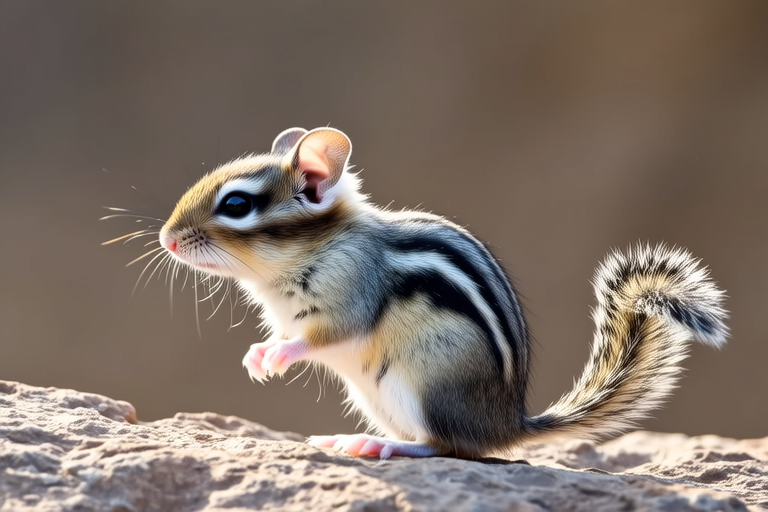
5 Common Myths About Chinchillas Debunked!
Welcome, animal enthusiasts! If you’re considering adopting a chinchilla or are already part of the chinchilla family, it’s essential to separate fact from fiction. These fluffy rodents have a reputation for being delicate and high-maintenance, but many of the common beliefs about them are simply myths. Let’s dive into five of the most widespread misconceptions about chinchillas and set the record straight.
Myth 1: Chinchillas Are Nocturnal Creatures
One of the most common misconceptions about chinchillas is that they are strictly nocturnal animals. This belief stems from their behavior in the wild, where they are active at night to avoid predators. However, domesticated chinchillas exhibit different habits.
Studies have shown that while chinchillas can be crepuscular (active during twilight hours), they are not exclusively nocturnal. In captivity, they tend to adjust their activity levels based on their environment and routine. Providing a consistent schedule for feeding and playtime can help your chinchilla develop a predictable pattern that works best for both of you.
Practical Advice: Observe your chinchilla’s natural tendencies and adapt your interaction times accordingly. Early morning or late evening might be the best times to engage with your pet, as this aligns with their natural periods of heightened activity.
Myth 2: Chinchillas Require Frequent Dust Baths
Another popular myth about chinchillas is that they need daily dust baths to maintain their luxurious fur. While dust baths are crucial for their grooming, excessive bathing can lead to skin issues.
Chinchillas have dense coats that require special care. Their fur contains up to 60 hairs per follicle, making it one of the densest among mammals. To clean their fur, chinchillas naturally take dust baths. However, too much dust can cause respiratory problems and skin irritation.
Experts recommend providing dust baths no more than two to three times a week for 10 to 15 minutes each time. Always ensure the dust used is specifically formulated for chinchillas and that the bath area is well-ventilated.
Practical Advice: Monitor your chinchilla’s response to dust bathing and adjust the frequency if necessary. Signs of discomfort or overgrooming may indicate that the current routine needs tweaking.
Myth 3: Chinchillas Can Be Handled Freely Like Other Pets
Many people assume that because chinchillas are small and cute, they can be handled freely like other pets such as cats or dogs. This couldn’t be further from the truth. Chinchillas have very delicate bones and are prone to stress and injury when improperly handled.
Chinchillas are prey animals with a strong fight-or-flight instinct. They are not built for frequent handling and may become stressed or anxious if forced into situations that make them uncomfortable. Stress can manifest in various ways, including self-mutilation or illness.
Practical Advice: When interacting with your chinchilla, always approach them calmly and gently. Allow them to come to you rather than picking them up suddenly. Use a soft towel or fleece blanket to provide a secure and comfortable surface for brief interactions.
Myth 4: Chinchillas Thrive in Cold Climates
It’s often believed that chinchillas do best in cold climates due to their origins in the Andes Mountains. While they do prefer cooler temperatures, it’s important to understand what constitutes an ideal environment for them.
Chinchillas are native to the high altitudes of the Andes, where temperatures range from 59°F to 77°F (15°C to 25°C). In captivity, maintaining a temperature range between 60°F and 70°F (15°C to 21°C) is recommended. Temperatures above 80°F (27°C) can lead to heatstroke, which is potentially fatal for these small animals.
Practical Advice: Keep your chinchilla’s living space cool and well-ventilated. Provide access to fresh water at all times and consider using air conditioning during hot weather. Avoid placing their enclosure near windows or direct sunlight to prevent overheating.
Myth 5: Chinchillas Are Easy to Train
The idea that chinchillas are easy to train is another misconception. While some chinchillas can learn simple commands or tricks, they are generally not as trainable as other pets like dogs or parrots.
Chinchillas are intelligent creatures, but their training capabilities are limited by their natural instincts and physical limitations. They are not socialized in the same way as dogs or cats and do not have the same desire to please their owners through obedience.
Practical Advice: Focus on creating a positive relationship with your chinchilla through gentle interactions and enrichment activities. Offer toys and puzzles that stimulate their minds and encourage natural behaviors, such as chewing and exploring.
Conclusion
Understanding chinchillas correctly is vital for their proper care and well-being. By debunking these common myths, we hope to provide clarity on how to best support these fascinating creatures. Remember, each chinchilla is unique, so observe their individual preferences and needs closely. With the right knowledge and care, you can enjoy a rewarding companionship with your chinchilla.
