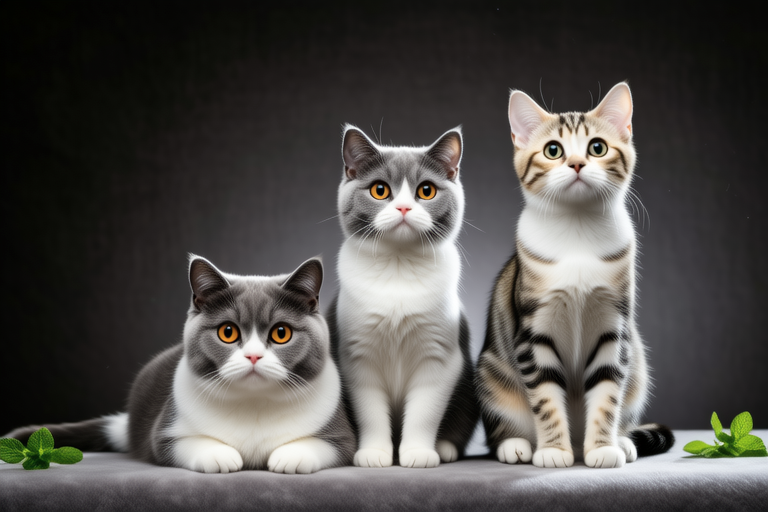
Comparing American Shorthair Cats with Other Popular Breeds
Cats have long been cherished companions, offering comfort, companionship, and entertainment to millions of households worldwide. Among the myriad of cat breeds, the American Shorthair stands out as a popular choice. This article delves into the comparison between American Shorthairs and other well-known breeds, examining their physical characteristics, temperaments, grooming needs, health issues, and adaptability to various living environments. By the end of this guide, you’ll be equipped with actionable insights to help you decide which breed is the perfect match for your lifestyle and preferences.
American Shorthair: A Brief Overview
The American Shorthair is a robust and healthy breed known for its friendly demeanor and low maintenance. Originating from European ancestors brought over by settlers, these cats have evolved into a breed that thrives in diverse environments. Their physical appearance is characterized by a medium to large build, a broad chest, and a strong, muscular body. The coat of an American Shorthair comes in a variety of colors and patterns, making them visually appealing. They possess short, dense fur that requires minimal grooming, typically once a week.
Physical Characteristics
American Shorthair
American Shorthairs are medium to large-sized cats with a sturdy, muscular build. Their heads are round, featuring prominent cheeks and a slightly flattened face. Their eyes are large and expressive, often reflecting their gentle nature. The breed’s coat is short and dense, available in more than 80 color variations, including solid colors, tabby patterns, and bi-colors. Their ears are medium-sized and set wide apart, adding to their overall balanced appearance.
Comparison with Other Breeds
- Maine Coon: Maine Coons share some similarities with American Shorthairs in terms of size and strength but have longer, thicker coats that require more frequent grooming.
- Ragdoll: Ragdolls are larger than American Shorthairs and are known for their distinctive blue eyes and semi-longhair coats. Their bodies are more slender, and they tend to be more laid-back and affectionate.
- British Shorthair: British Shorthairs are similar in size to American Shorthairs but have a rounder face and shorter legs. Their coat is plush and dense, requiring regular grooming.
- Sphynx: Sphynx cats are unique due to their lack of fur, which makes them hypoallergenic. However, they require more attention to keep their skin healthy.
Temperament
American Shorthair
American Shorthairs are known for their calm, friendly, and adaptable personalities. They are excellent family pets, getting along well with children, other pets, and even strangers. These cats are playful but not overly demanding, making them suitable for busy households. They are independent yet affectionate, often seeking attention without being clingy. Their intelligence allows them to learn tricks and play fetch, enhancing their interaction with their human companions.
Comparison with Other Breeds
- Maine Coon: Maine Coons are also friendly and sociable but are more active and curious. They enjoy exploring and playing, sometimes even climbing trees. Their intelligence makes them trainable, but they can be more vocal compared to American Shorthairs.
- Ragdoll: Ragdolls are known for their docile and affectionate nature. They tend to be more dependent on human interaction and may follow their owners around the house. They are excellent lap cats and are particularly good with children.
- British Shorthair: British Shorthairs are calm and laid-back, often described as having dog-like loyalty. They are less active than American Shorthairs and prefer quieter environments.
- Sphynx: Sphynx cats are highly social and affectionate, craving constant attention. They are playful and intelligent, often engaging in interactive games with their owners.
Grooming Needs
American Shorthair
American Shorthairs have short, dense coats that shed moderately. Regular brushing once a week helps remove loose hair and prevents matting. Bathing is generally unnecessary unless the cat gets particularly dirty. Nail trimming should be done every few weeks, and dental hygiene is important to maintain oral health. Overall, their grooming needs are relatively low, making them ideal for those seeking a low-maintenance pet.
Comparison with Other Breeds
- Maine Coon: Maine Coons have longer, thicker coats that require more frequent brushing, typically twice a week, to prevent tangles and mats. Their grooming needs increase during shedding seasons.
- Ragdoll: Ragdolls have semi-longhair coats that need regular brushing to prevent knots and mats. They also benefit from occasional baths to keep their fur clean and shiny.
- British Shorthair: British Shorthairs have plush, dense coats that require weekly brushing to keep them in top condition. Their grooming needs are higher compared to American Shorthairs.
- Sphynx: Sphynx cats, lacking fur, require special care to maintain their skin health. They need regular bathing to remove oils and dirt, as well as moisturizing creams to prevent dryness. Their nails and ears should be checked regularly to avoid infections.
Health Issues
American Shorthair
American Shorthairs are generally healthy and have fewer genetic predispositions to specific health issues. However, like all breeds, they can be prone to certain conditions such as hip dysplasia, hypertrophic cardiomyopathy (HCM), and polycystic kidney disease (PKD). Regular veterinary check-ups and a balanced diet can help manage these potential health concerns. Early detection through genetic testing and routine screenings can significantly improve their quality of life.
Comparison with Other Breeds
- Maine Coon: Maine Coons are susceptible to hip dysplasia, heart diseases, and spinal muscular atrophy. Their large size can also lead to obesity if not managed properly. Regular exercise and a balanced diet are crucial for maintaining their health.
- Ragdoll: Ragdolls are prone to hypertrophic cardiomyopathy, hip dysplasia, and renal amyloidosis. Genetic testing and early intervention can help mitigate these risks. Regular vet visits and a nutritious diet are essential for their well-being.
- British Shorthair: British Shorthairs are susceptible to polycystic kidney disease and hip dysplasia. They also tend to gain weight easily, so portion control and exercise are necessary. Regular vet checks can help monitor their health.
- Sphynx: Sphynx cats are prone to dermatological issues, respiratory problems, and heart defects. Their lack of fur makes them sensitive to temperature changes, so they need a warm environment. Regular vet visits and specialized care are vital for their health.
Adaptability to Different Living Environments
American Shorthair
American Shorthairs are highly adaptable and can thrive in various living environments, from apartments to spacious homes. Their moderate activity levels and independent nature make them suitable for smaller spaces, provided they have access to toys and scratching posts. They are equally comfortable in rural settings, where they can explore and hunt. Their friendly disposition allows them to get along with other pets and humans, making them versatile companions.
Comparison with Other Breeds
- Maine Coon: Maine Coons are better suited for larger homes or outdoor spaces due to their high energy levels and curiosity. They enjoy exploring and need plenty of room to move around. Their adaptability to colder climates makes them ideal for rural areas.
- Ragdoll: Ragdolls are best suited for quieter environments where they can relax and receive constant attention. They are less tolerant of loud noises and sudden movements, making them less suitable for busy households. Their affectionate nature makes them excellent companions for families seeking a calm and loving pet.
- British Shorthair: British Shorthairs prefer quieter, more stable environments. Their calm and laid-back nature makes them suitable for families looking for a low-maintenance, loyal companion. They are less active and require less space compared to other breeds.
- Sphynx: Sphynx cats thrive in warm, cozy environments where they can feel safe and secure. Their need for constant attention makes them ideal for households where someone is always home. They are less tolerant of cold temperatures and require extra care during winter months.
Best Suited for Families with Children
When choosing a cat for a family with children, it’s essential to consider breeds that are patient, gentle, and tolerant of playful behavior. American Shorthairs are excellent choices due to their friendly and adaptable nature. They are generally tolerant of children’s boisterousness and enjoy interacting with them. Their calm demeanor and playful spirit make them ideal companions for kids.
Ragdolls are also great options for families with children. Their affectionate and docile nature makes them perfect for cuddling and gentle play. They are less likely to scratch or bite, providing a safer experience for young children.
Maine Coons are another suitable option for families with children. Their large size and playful nature make them engaging playmates for kids. However, their high energy levels may require more supervision to ensure safety.
Best Suited for Homes with Limited Space
If you live in a small apartment or have limited space, choosing a cat that doesn’t require much room to roam is crucial. American Shorthairs are ideal for smaller living spaces due to their moderate activity levels and independence. They are content with indoor environments and can entertain themselves with toys and scratching posts.
Ragdolls are also well-suited for homes with limited space. Their relaxed and affectionate nature means they don’t need a lot of room to move around. They are happy to spend time lounging with their owners and don’t require extensive play areas.
British Shorthairs are another excellent choice for small homes. Their calm and laid-back nature makes them content with limited space. They are less active than other breeds and prefer quiet environments, making them ideal for apartment living.
Best Suited for Individuals Seeking a Low-Maintenance Pet
For individuals seeking a low-maintenance pet, American Shorthairs are an excellent choice. Their short, dense coats require minimal grooming, and their independent nature means they can entertain themselves when left alone. They are generally healthy and have fewer genetic predispositions to specific health issues, reducing the need for frequent veterinary visits.
British Shorthairs are also low-maintenance pets. Their calm and laid-back nature means they don’t require much attention or stimulation. Their grooming needs are manageable, and they are generally healthy, making them easy to care for.
Sphynx cats, despite their unique appearance, require more attention and care due to their lack of fur. Their skin care needs and sensitivity to temperature changes make them less suitable for those seeking low-maintenance pets.
Tips for Choosing the Right Breed
Choosing the right cat breed involves considering several factors, including your lifestyle, living environment, and personal preferences. Here are some tips to help you make an informed decision:
- Consider Your Lifestyle: If you have a busy schedule, a breed like the American Shorthair or British Shorthair, which are independent and low-maintenance, might be the best fit. For those who are home more often, a more affectionate breed like the Ragdoll could be ideal.
- Living Environment: If you live in a small apartment, choose a breed that doesn’t require much space, such as the American Shorthair or British Shorthair. For larger homes or outdoor spaces, breeds like the Maine Coon or Ragdoll could thrive.
- Allergies: If you or anyone in your household has allergies, consider hypoallergenic breeds like the Sphynx or Devon Rex. While no cat is completely hypoallergenic, these breeds produce fewer allergens.
- Family Dynamics: If you have children or other pets, select a breed known for its patience and tolerance, such as the American Shorthair or Ragdoll. These breeds are more likely to get along well with others.
- Health Considerations: Research potential health issues associated with each breed and consult with a veterinarian to determine if they align with your ability to provide proper care. Early detection and management of genetic predispositions can significantly improve a cat’s quality of life.
Conclusion
Choosing the right cat breed is a significant decision that requires careful consideration of various factors. American Shorthairs stand out as a versatile and low-maintenance breed, suitable for families with children, homes with limited space, and individuals seeking a loyal companion. However, understanding the unique characteristics and needs of other popular breeds, such as Maine Coons, Ragdolls, British Shorthairs, and Sphynx cats, can help you find the perfect match for your lifestyle and preferences. By taking the time to research and consider your options, you can ensure a harmonious and fulfilling relationship with your new feline friend.
