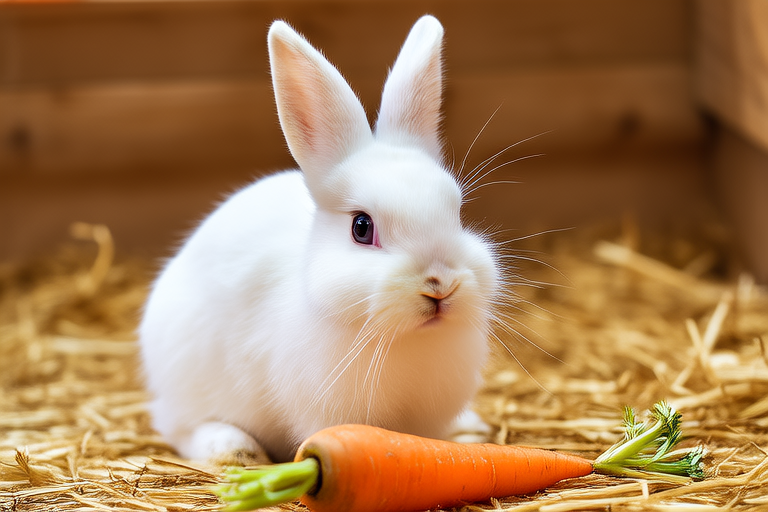
Inside the Life of a Lop Bunny: Fun Facts and Care Tips
Welcome to the delightful world of lop bunnies! These charming creatures have captured the hearts of many pet lovers with their unique floppy ears and friendly demeanor. In this article, we will explore the fascinating aspects of lop bunnies, from their origins and behavior to essential care tips that will ensure your furry friend leads a happy and healthy life.
A Brief History and Physical Characteristics
Lop bunnies are a popular breed of domestic rabbit known for their distinctive long, drooping ears. The first documented lop bunnies appeared in Europe during the Middle Ages, where they were often kept as pets and companions. Over time, selective breeding has led to the development of various lop breeds, including English Lops, French Lops, and Holland Lops, each with its own unique characteristics.
The most striking feature of lop bunnies is their large, floppy ears, which can measure up to 8 inches in length. These ears not only make them visually appealing but also serve as a cooling mechanism, helping to regulate body temperature. Lop bunnies come in a variety of colors and patterns, including solid colors like white, black, and brown, as well as more complex patterns such as agouti and broken. Their soft, dense fur requires regular grooming to prevent matting and keep it in top condition.
Fascinating Behavior and Personality Traits
Lop bunnies are social animals that thrive on interaction with their human companions. They are generally gentle and affectionate, making them excellent pets for families and individuals alike. However, like all rabbits, lop bunnies are prey animals, which means they can be skittish or easily startled. It’s important to handle them gently and provide a safe, quiet environment to help them feel secure.
In addition to their affectionate nature, lop bunnies are intelligent and curious creatures. They enjoy exploring their surroundings and can be trained to perform simple tricks, such as coming when called or using a litter box. Many owners report that their lop bunnies have distinct personalities, ranging from playful and energetic to calm and reserved.
Common Misconceptions About Lop Bunnies
Despite their popularity, there are several misconceptions about lop bunnies that can lead to misunderstandings about their care and needs. One common myth is that lop bunnies require less attention than other breeds because of their calm demeanor. While lop bunnies may be more laid-back than some other rabbit breeds, they still need plenty of mental and physical stimulation to stay healthy and happy.
Another misconception is that lop bunnies are low-maintenance pets. While they may not require as much daily care as some other animals, they still need proper nutrition, regular exercise, and routine veterinary check-ups. It’s important to research and understand the specific needs of your lop bunny to provide the best possible care.
Diet and Nutrition
A balanced diet is crucial for maintaining the health and well-being of your lop bunny. A good starting point is to provide unlimited access to high-quality hay, such as timothy hay, which should make up the majority of their diet. Hay not only provides essential nutrients but also helps promote healthy digestion and dental health.
Alongside hay, you can offer a small amount of fresh vegetables each day. Good choices include leafy greens like romaine lettuce, spinach, and kale. Avoid feeding your lop bunny foods that are high in sugar or starch, such as fruits, grains, and root vegetables, as these can lead to digestive issues and obesity. Treats should be given sparingly, if at all, and should never exceed 10% of your bunny’s total daily intake.
Water is another essential component of a lop bunny’s diet. Always provide clean, fresh water in a sturdy water bottle or bowl, and check it regularly to ensure it remains clean and full. Some lop bunnies may prefer one type of water dispenser over the other, so it’s worth experimenting to find what works best for your pet.
Exercise and Mental Stimulation
Like all rabbits, lop bunnies need regular exercise to maintain their physical and mental health. Providing a spacious, bunny-proofed area for your pet to roam and explore is ideal. If space is limited, you can set aside designated playtime each day, allowing your lop bunny to stretch its legs and engage in natural behaviors like hopping and digging.
Mental stimulation is just as important as physical activity for lop bunnies. Consider providing toys and enrichment activities that encourage problem-solving and exploration. Puzzle feeders, cardboard boxes, and tunnels are great options that can keep your bunny entertained and engaged. Rotate toys periodically to keep things interesting and prevent boredom.
Grooming and Hygiene
Grooming is an important part of caring for your lop bunny, especially if you have a breed with longer fur. Regular brushing helps remove loose hair, prevents matting, and keeps your bunny’s coat looking its best. Use a soft-bristled brush or a slicker brush, depending on the length and texture of your bunny’s fur.
In addition to brushing, it’s important to trim your lop bunny’s nails and clean its ears and teeth regularly. Long nails can cause discomfort and interfere with your bunny’s ability to move around comfortably. Ears should be checked weekly for signs of infection or wax buildup, and teeth should be examined for any signs of malocclusion or overgrowth. If you’re unsure about how to care for your bunny’s nails, ears, or teeth, consult with a veterinarian for guidance.
Housing and Environment
Providing a comfortable and safe living environment is essential for your lop bunny’s happiness and well-being. A spacious cage or enclosure is a good starting point, but it’s important to allow your bunny ample time outside of its enclosure for exercise and play. If possible, create a designated “bunny-proofed” area within your home where your pet can explore and interact with family members.
When setting up your lop bunny’s living space, consider factors such as size, ventilation, and ease of cleaning. A wire-bottomed cage can help prevent pressure sores, but it’s important to provide soft bedding or flooring to protect your bunny’s feet. Popular options include fleece, paper-based bedding, and straw. Avoid using cedar or pine shavings, as these can be harmful to your bunny’s respiratory system.
Health Considerations
Regular veterinary care is crucial for keeping your lop bunny healthy and happy. Schedule annual check-ups with a veterinarian who specializes in exotic pets, and be sure to address any health concerns promptly. Common health issues affecting lop bunnies include dental problems, gastrointestinal stasis, and respiratory infections. Early detection and treatment can help prevent these conditions from becoming serious.
Vaccinations are also an important part of preventive care for lop bunnies. Rabbits are susceptible to certain viral and bacterial infections, and vaccinations can help protect them from these diseases. Discuss vaccination options with your veterinarian to determine the best course of action for your pet.
Real-Life Examples and Anecdotes
One of the joys of owning a lop bunny is the unique bond that develops between pet and owner. Many owners report that their lop bunnies have a special way of communicating, whether through subtle body language or more overt gestures. For example, one owner shared that her lop bunny, named Thumper, would nudge her hand with his nose whenever he wanted a treat. Another owner noted that her lop bunny, Mr. Fluffles, would follow her around the house, seeking out her attention and affection.
These anecdotes highlight the emotional connection that can develop between lop bunnies and their owners. By providing a loving and supportive environment, you can foster a strong bond with your lop bunny and ensure that both of you enjoy a lifetime of companionship and joy.
Conclusion
Lop bunnies are charming, affectionate pets that bring joy and companionship to many households. With proper care and attention, these delightful creatures can thrive and live long, healthy lives. By understanding their unique needs and providing a loving environment, you can ensure that your lop bunny remains a cherished member of your family for years to come.
