Beyond the Beauty: Caring for Your Bengal Cat’s Unique Needs
The Bengal cat is a striking and exotic breed that has captured the hearts of many pet lovers. Known for its stunning coat and wild appearance, this breed also boasts a unique set of needs that require attentive care. Understanding and meeting these needs can ensure your Bengal cat lives a long, healthy, and happy life. Let’s delve into the fascinating world of the Bengal cat, exploring their origins, behavior, and the specific care they require.
Origins and Distinctive Appearance
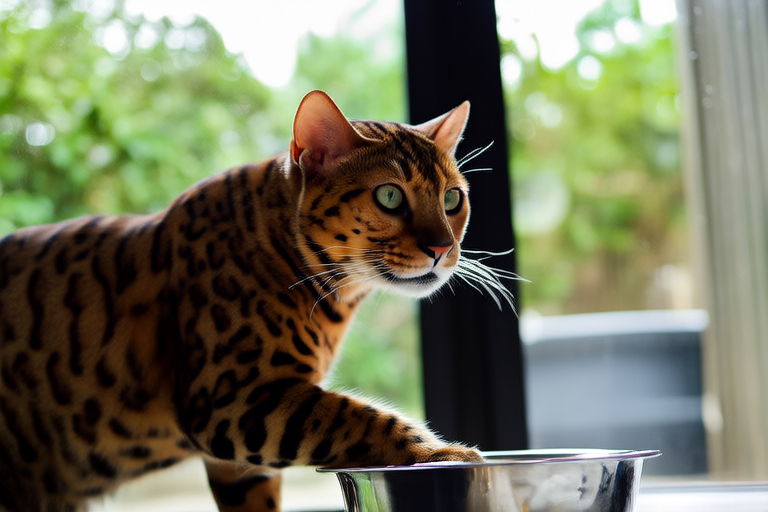
The Bengal cat is a relatively new breed, developed through selective breeding between domestic cats and Asian leopard cats. This crossbreeding began in the 1960s, aiming to create a domesticated cat with the beauty and grace of wild felines. The result is a medium to large-sized cat with a sleek, muscular build and a luxurious coat. Bengal cats come in various colors, but they are most recognizable for their distinctive rosette or marbled patterns, reminiscent of leopards and jaguars. Their eyes, often green or gold, add to their striking appearance.
Active and Social Nature
Bengal cats are known for their high energy levels and strong social bonds. They are highly active, requiring ample space to explore and play. Providing them with climbing structures, interactive toys, and opportunities for exercise is essential. Mental stimulation is equally important, as Bengal cats are intelligent and curious creatures. Puzzle feeders, treat-dispensing toys, and interactive games can help keep their minds engaged. Social interaction is also crucial; Bengal cats thrive on companionship and enjoy spending time with their owners.
Grooming Tips
Bengal cats have short, dense coats that require regular grooming to maintain their lustrous appearance. Despite their dense fur, they shed less than many other breeds due to their close relation to Asian leopard cats. However, brushing your Bengal cat once or twice a week can help remove loose hair and distribute natural oils throughout their coat. Bathing is generally unnecessary unless the cat gets particularly dirty, but if you do bathe your Bengal, use a gentle, pH-balanced shampoo designed for cats.
Dietary Considerations
Feeding your Bengal cat a balanced diet is crucial for maintaining their health and energy levels. High-quality commercial cat foods that meet AAFCO standards are suitable for most Bengal cats. These foods should provide the necessary nutrients, including proteins, fats, vitamins, and minerals. Many Bengal cats benefit from a higher protein diet, which can help support their muscle development and overall vitality. Consult your veterinarian to determine the best diet for your Bengal based on their age, weight, and activity level.
Managing High Energy Levels
One of the most challenging aspects of owning a Bengal cat is managing their high energy levels. Bengals are naturally athletic and love to play. To channel this energy constructively, provide them with plenty of toys and activities. Interactive play sessions, such as fetch or laser pointer games, can help tire them out. Additionally, creating an enriched environment with climbing structures, scratching posts, and hiding spots can provide mental and physical stimulation. Ensuring your Bengal has adequate outlets for their energy can prevent destructive behaviors and promote a harmonious home environment.
Common Health Issues and Preventive Care
Bengal cats, like all breeds, are prone to certain health issues. Hypertrophic cardiomyopathy (HCM), a heart condition, is one of the most common concerns. Regular veterinary check-ups, including cardiac screenings, can help detect HCM early. Other potential health issues include hip dysplasia and patellar luxation. Regular exercise and a balanced diet can help mitigate these risks. Vaccinations, parasite control, and routine dental care are also essential components of preventive care. Early intervention and regular vet visits can significantly improve your Bengal’s quality of life.
Bonding and Training
Bonding with your Bengal cat is a rewarding experience. These cats form strong attachments with their owners and enjoy being part of family activities. Spend quality time with your Bengal by playing, grooming, and simply interacting with them. Training your Bengal cat can be both fun and beneficial. Positive reinforcement techniques, such as clicker training, can teach them basic commands and tricks. Bengals are intelligent and eager to learn, making training a delightful way to bond with them. Remember, patience and consistency are key when training any cat.
Conclusion
Owning a Bengal cat is a unique and enriching experience. Their striking appearance, active nature, and intelligence make them captivating companions. By understanding and addressing their specific needs, you can ensure your Bengal cat leads a healthy and fulfilling life. From grooming and dietary considerations to managing their energy levels and providing mental stimulation, every aspect of care contributes to their well-being. Bonding and training your Bengal cat can deepen your connection and bring joy to both of you. Embrace the challenge and reward of caring for this extraordinary breed, and you will find that owning a Bengal cat is a truly rewarding experience.
