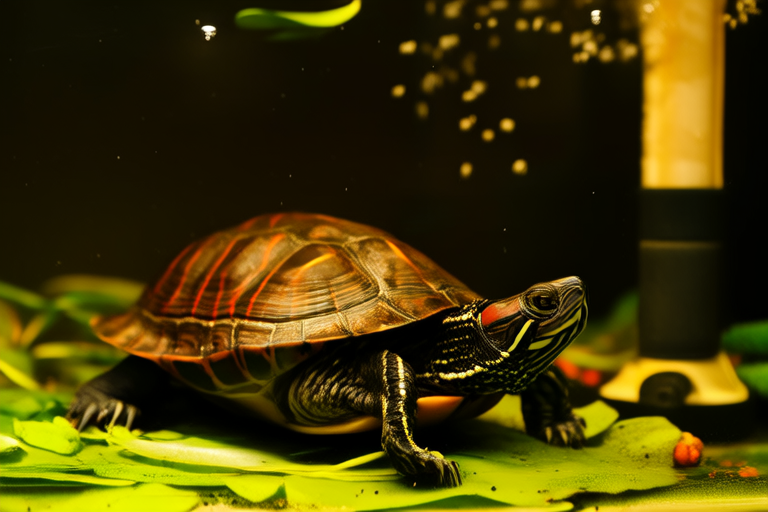
The Complete Guide to Feeding Your Red-eared Slider for Optimal Health
Red-eared sliders are popular aquatic turtles that require a balanced diet to thrive. Proper nutrition ensures their growth, health, and longevity. This guide covers all aspects of feeding your red-eared slider, from understanding their nutritional needs to practical tips for maintaining their habitat.
Nutritional Needs of Red-Eared Sliders
Red-eared sliders need a balanced diet rich in protein, vitamins, and minerals. Their diet should mimic their natural prey, which includes insects, fish, snails, and plants. A well-balanced diet helps maintain shell health, muscle development, and overall vitality.
Types of Food Suitable for Red-Eared Sliders
Vegetables
Vegetables provide essential vitamins and minerals. Offer leafy greens like romaine lettuce, collard greens, and dandelion greens. Other suitable options include bell peppers, squash, and carrots. Avoid iceberg lettuce, which lacks nutrients.
Fruits
Fruits can be occasional treats. Offer small amounts of berries, melons, and apples. Ensure fruits are washed and cut into appropriate sizes.
Proteins
Protein sources include feeder fish, earthworms, and commercially available turtle pellets. Crickets and mealworms can also be offered but in moderation.
Commercial Diets
Commercial turtle pellets are convenient and provide a balanced mix of nutrients. Choose high-quality brands specifically formulated for red-eared sliders.
Portion Sizes and Feeding Frequency
Hatchlings and juveniles should be fed daily, while adults can be fed every other day. Portion sizes depend on the turtle’s size and activity level. Feed until they stop eating actively but ensure they don’t overeat.
Dietary Requirements as They Grow
Hatchlings
Hatchlings need more protein than adults. Feed them daily with a mix of commercial pellets and live food. Gradually introduce vegetables as they grow.
Juveniles
Juveniles benefit from a varied diet. Continue offering commercial pellets, supplemented with live food and vegetables. Monitor their growth to adjust portions.
Adults
Adults have lower protein needs. Feed them every other day with a mix of commercial pellets, vegetables, and occasional fruits or proteins.
Maintaining Water Quality
Regularly clean the turtle’s enclosure to prevent bacterial growth. Use a filter to maintain water clarity. Change at least 25% of the water weekly and perform full water changes monthly.
Avoiding Harmful Foods
Avoid feeding red-eared sliders avocados, rhubarb, spinach, onions, and processed human foods. These can cause digestive issues or toxicity.
Supplements if Necessary
Consult a veterinarian about calcium and vitamin D3 supplements. Ensure proper UVB lighting to aid calcium absorption.
Common Feeding Mistakes to Avoid
- Overfeeding: Can lead to obesity and health issues.
- Feeding the same food repeatedly: Can cause nutrient deficiencies.
- Not cleaning the enclosure: Can lead to bacterial growth and illness.
- Ignoring signs of illness: Seek veterinary care immediately.
Conclusion
Providing a balanced diet and maintaining proper water quality are crucial for the health and happiness of your red-eared slider. By following this guide, you can ensure your turtle enjoys optimal health throughout its life.
