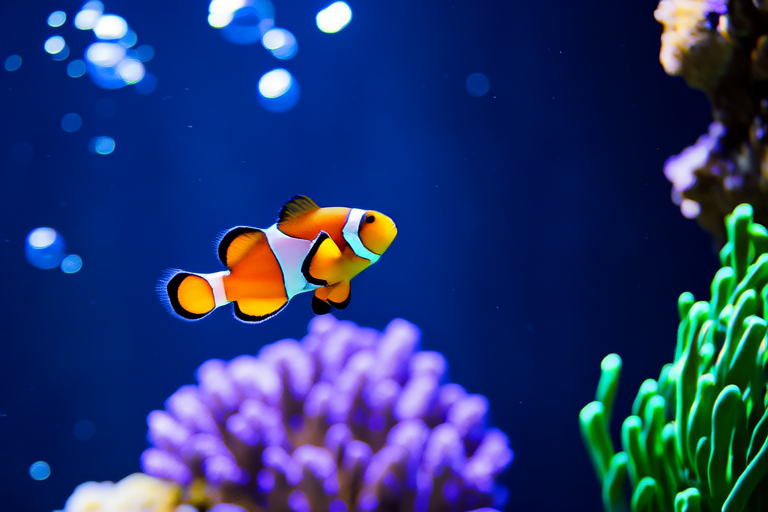
How Clownfish Became Internet Sensations and Aquarium Favorites
Introduction:
Clownfish, with their vibrant colors and endearing personalities, have captured the hearts of millions across the globe. These small, yet fascinating fish have become internet sensations and favorites among aquarium enthusiasts. Their rise to fame can be attributed to a combination of distinctive physical traits, captivating behavior, and significant roles within marine ecosystems. This article delves into the various factors that contributed to their surge in popularity, from their portrayal in media to the challenges and triumphs of keeping them as pets.
The Distinctive Appearance of Clownfish
One of the most striking features of clownfish is their distinct coloration, which typically includes bright orange bodies adorned with white stripes. These stripes serve as a form of camouflage, helping them blend into the tentacles of their anemone hosts. The contrasting hues also play a crucial role in communication within their species. The unique patterns are a result of symbiotic relationships they share with sea anemones, a partnership that has intrigued biologists for decades.
Moreover, clownfish exhibit sexual dimorphism, meaning males and females can be distinguished based on size and behavior. Males are usually smaller and more aggressive, while females are larger and more territorial. This differentiation adds another layer of fascination for those who observe these fish closely.
Behavioral Traits and Roles in Marine Ecosystems
Clownfish are known for their bold and curious nature, often seen darting around coral reefs in search of food or exploring new environments. They are highly social creatures, living in groups called harems, where one dominant female rules over several males. This hierarchical structure ensures the survival of the group and promotes cooperation among members.
In addition to their social behaviors, clownfish play essential roles in maintaining the health of coral reefs. By feeding on algae and parasites that could harm corals, they contribute to the overall balance of the ecosystem. Their symbiotic relationship with sea anemones further enhances reef stability, as the anemones provide protection against predators, while the clownfish offer nutrients through their waste.
Portrayal in Media and Public Perception
The release of Disney’s Finding Nemo in 2003 significantly boosted the popularity of clownfish worldwide. The film tells the story of Marlin, a clownfish father, and his son Nemo, who gets separated during a scuba diving trip. The movie’s heartwarming narrative and vivid animation brought clownfish into households globally, sparking interest in marine biology and conservation efforts.
Following the success of Finding Nemo, other media outlets capitalized on the public’s newfound fascination with these charismatic fish. Documentaries, television shows, and online platforms dedicated to ocean life frequently featured clownfish, highlighting their unique characteristics and importance in marine ecosystems. This increased exposure helped foster a deeper appreciation for marine biodiversity and encouraged viewers to learn more about the creatures that inhabit our oceans.
Factors Contributing to Their Surge in Aquarium Trade
The growing demand for clownfish in home aquariums can be attributed to several factors, including their ease of care and successful breeding programs. Clownfish are relatively hardy compared to many other saltwater fish, making them ideal candidates for novice aquarists. Additionally, advancements in captive breeding techniques have made it possible to produce clownfish without depleting wild populations.
However, the influx of clownfish into the pet trade has raised concerns about sustainability and ethical sourcing. Many aquarium hobbyists advocate for purchasing only captive-bred specimens to avoid supporting practices that harm wild populations. Organizations like the Marine Aquarium Council (MAC) work tirelessly to promote responsible aquaculture and ensure that clownfish available in the market come from sustainable sources.
Conservation Efforts and Significance for Marine Biodiversity
As clownfish continue to gain popularity, so too does the need for robust conservation measures aimed at protecting both their species and the ecosystems they inhabit. Climate change, pollution, and habitat destruction pose significant threats to clownfish and their anemone partners. Rising sea temperatures cause coral bleaching events, which can lead to the loss of vital habitats for both species.
To address these challenges, various organizations are implementing initiatives designed to safeguard clownfish and promote marine biodiversity. For instance, the Great Barrier Reef Foundation supports research into coral restoration techniques, while the World Wildlife Fund (WWF) works with local communities to reduce plastic waste and protect coastal areas. By raising awareness about the importance of preserving clownfish and their habitats, these efforts aim to ensure a brighter future for these beloved fish.
Conclusion
From their distinctive appearance and behaviors to their critical roles in marine ecosystems, clownfish have captivated audiences far beyond the confines of coral reefs. Through media portrayals and increased accessibility in home aquariums, these fascinating fish have become internet sensations and cherished companions for many. As we continue to explore the wonders of the underwater world, it is essential that we remain committed to conserving clownfish and the diverse array of life that thrives alongside them. By doing so, we not only protect these remarkable creatures but also contribute to the preservation of entire ecosystems.
