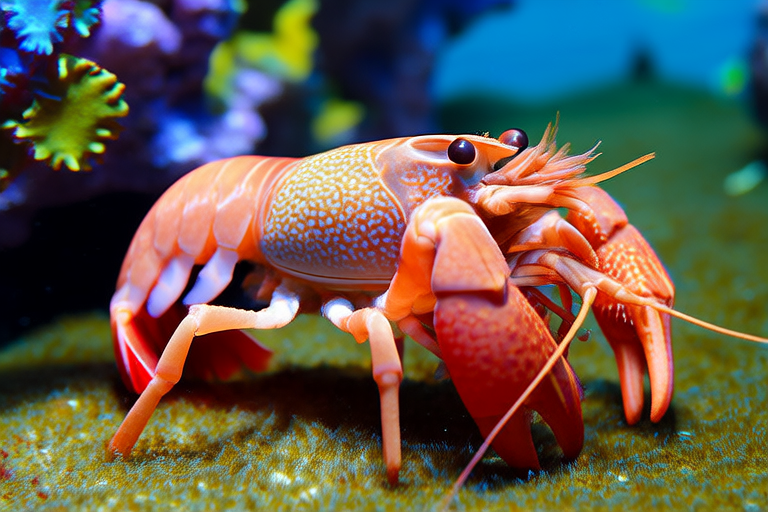
Coral Shrimp: The Underwater Beauties That Will Brighten Up Your Aquarium
Welcome to the vibrant world of coral shrimp! These tiny creatures are not only visually stunning but also play a crucial role in maintaining the health of your aquarium ecosystem. In this article, we’ll explore everything you need to know about coral shrimp, from their appearance and behavior to how they can enhance your aquatic environment. Whether you’re a seasoned aquarist or just starting out, coral shrimp are sure to captivate and delight.
Introducing Coral Shrimp: A Splash of Color
Coral shrimp, scientifically known as Stenopus hispidus, are small crustaceans that can add a splash of color to any aquarium. Their vibrant hues range from bright reds and oranges to striking blues and greens, making them a popular choice among hobbyists. What sets these shrimp apart is their distinctive appearance: they have three pairs of long antennae, which give them a whimsical, almost otherworldly look. Additionally, their bodies are covered in short, bristle-like hairs that provide camouflage in their natural habitat.
Native to the tropical waters of the Indo-Pacific region, coral shrimp are often found living among stony corals and sponges. They thrive in environments where they can hide from potential predators while still being able to scavenge for food. Their ability to blend into their surroundings makes them a fascinating subject for underwater photography, and their dynamic movements bring life to any aquarium.
The Role of Coral Shrimp in Your Aquarium
While coral shrimp are primarily kept for their aesthetic appeal, they also serve important ecological functions within your aquarium. These shrimp are natural scavengers, feeding on detritus, uneaten fish food, and algae. By cleaning up leftovers, they help maintain water quality and reduce the risk of harmful bacteria growth. This behavior not only keeps your tank clean but also promotes a healthier environment for all the inhabitants.
Coral shrimp are also known for their interaction with other marine life. They form symbiotic relationships with certain species of fish, such as wrasses and gobies. In return for protection from predators, the shrimp provide cleaning services, removing parasites and dead skin from their partners. This mutualistic relationship is a beautiful example of nature’s balance and cooperation.
Diet and Behavior
Understanding the dietary needs and behavioral patterns of coral shrimp is essential for their well-being. In the wild, they feed on a variety of foods, including small crustaceans, plankton, and plant matter. In captivity, it’s important to replicate this diet as closely as possible. High-quality shrimp pellets, algae wafers, and occasional treats like frozen brine shrimp or bloodworms will ensure they receive the nutrients they need. It’s advisable to avoid overfeeding, as excess food can lead to water pollution.
Coral shrimp are generally peaceful and non-aggressive, making them suitable tank mates for most community aquariums. However, due to their small size, they may become prey to larger, more aggressive fish. To prevent this, it’s best to keep them with compatible species that won’t pose a threat. Some good tank mates include small, peaceful fish like cardinal tetras, neon tetras, and dwarf gouramis.
Setting Up the Ideal Habitat
Creating a suitable habitat for your coral shrimp requires careful consideration of water conditions, tank mates, and decorations. Let’s dive into some practical tips to ensure your shrimp thrive:
Water Conditions
Maintaining optimal water conditions is crucial for the health of your coral shrimp. They prefer slightly alkaline water with a pH between 8.0 and 8.4. The temperature should be kept stable at around 72-78°F (22-26°C). Regular water changes and proper filtration are essential to keep the water clean and free from pollutants. Test kits are useful tools for monitoring water parameters and ensuring a healthy environment.
Tank Mates
Choosing appropriate tank mates is key to preventing stress and aggression. As mentioned earlier, coral shrimp should be kept with peaceful fish that won’t view them as a snack. Avoid aggressive species like lionfish, triggerfish, and large predatory fish. Additionally, it’s wise to avoid housing them with other shrimp species, as they might compete for resources or engage in territorial disputes.
Necessary Decorations
Providing ample hiding spots and decorations is vital for the comfort and security of your coral shrimp. Incorporate live rock, caves, and driftwood to mimic their natural environment. Live rock not only serves as shelter but also contributes beneficial bacteria that aid in maintaining water quality. Driftwood adds aesthetic value and provides a source of tannins, which can slightly lower the pH of the water.
Personal Insights and Anecdotes
As someone who has kept coral shrimp for several years, I can attest to the joy and challenges they bring to an aquarium. Watching these tiny creatures scurry around the tank, darting in and out of hiding spots, never fails to bring a smile. They are truly captivating to observe, and their presence adds a dynamic element to the overall ambiance of the aquarium.
However, there are also challenges to consider. One common issue is ensuring they have enough space and hiding spots to feel secure. Without adequate shelter, they may become stressed and less active. Another challenge is maintaining the delicate balance of water parameters. Even slight fluctuations can cause distress or illness. With patience and attention to detail, though, these challenges can be overcome, leading to a thriving and vibrant aquarium ecosystem.
In conclusion, coral shrimp are not just a pretty face; they are valuable contributors to a healthy aquarium environment. Their vibrant colors, interesting behaviors, and ecological benefits make them a worthwhile addition to any marine or reef tank. By providing them with the right conditions and care, you can enjoy the beauty and tranquility they bring to your underwater world.
